

Journeying to your ultimate dream destination does not inherently demand an extravagant financial inheritance or an unchecked corporate credit card. By mastering the art of data-driven logistics planning, fluid structural flexibility, and advanced digital booking methodologies, any traveler can secure remarkably inexpensive airfares and comprehensive holiday packages without degrading their personal comfort. In our current landscape of 2026, the global hospitality sector is completely driven by predictive artificial intelligence and hyper-personalized price comparison tools, making the process of minimizing travel overhead vastly more scientific, predictable, and accessible than any other era in aviation history.
                      ┌─── Algorithmic Price-Drop Forecasts
                      ├─── Multi-Platform Meta-Search Audits
The Budget Travel Hub ┼─── Dynamic Geometric Route Optimization
                      ├─── Micro-Tier Ancillary Fee Protection
                      └─── Automated Loyalty Yield Management
Successfully navigating this modern travel ecosystem requires a radical departure from outdated legacy booking habits. To extract the maximum value out of every single dollar spent, modern explorers must approach trip design as a series of calculated steps, converting raw market volatility into an unfair advantage that unlocks premium global experiences at a fraction of their standard commercial costs.
Secure Your Flights via Algorithmic Early Booking Windows
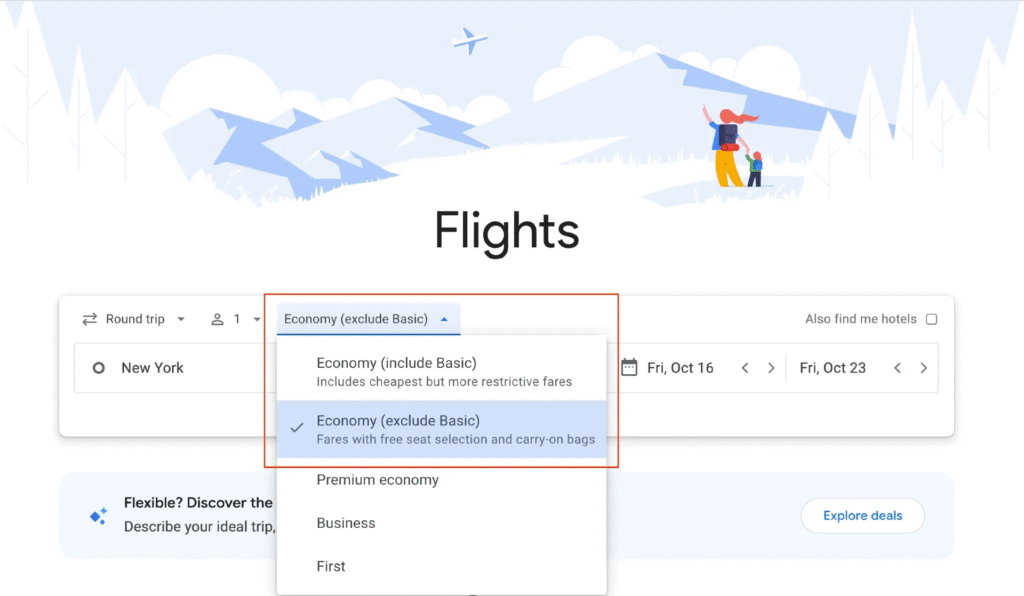
The foundational pillar of minimizing transit costs is understanding the complex yield-management mathematical models that airlines use to price their inventory. Airfare seats function as highly volatile assets; carriers typically release their seating charts up to three hundred and thirty days in advance, starting with their baseline economy tariff tiers to build immediate operational cash reserves.
[Seats Released: Baseline Pricing] ──> [Dynamic Demand Squeezes] ──> [Departure Date: Maximum Price]
By tracking these inventory release dates and booking your transit window months before your intended departure, you completely shield yourself from the aggressive price surges triggered by sudden corporate demand and structural seat scarcity as the travel date approaches. Furthermore, early reservation windows hand you the ultimate operational advantage, ensuring you secure optimal flight connections, highly comfortable cabin configurations, and the most efficient travel routes before the general public saturates the market.
Leverage Calendar Fluidity to Outmaneuver Peak Pricing Systems
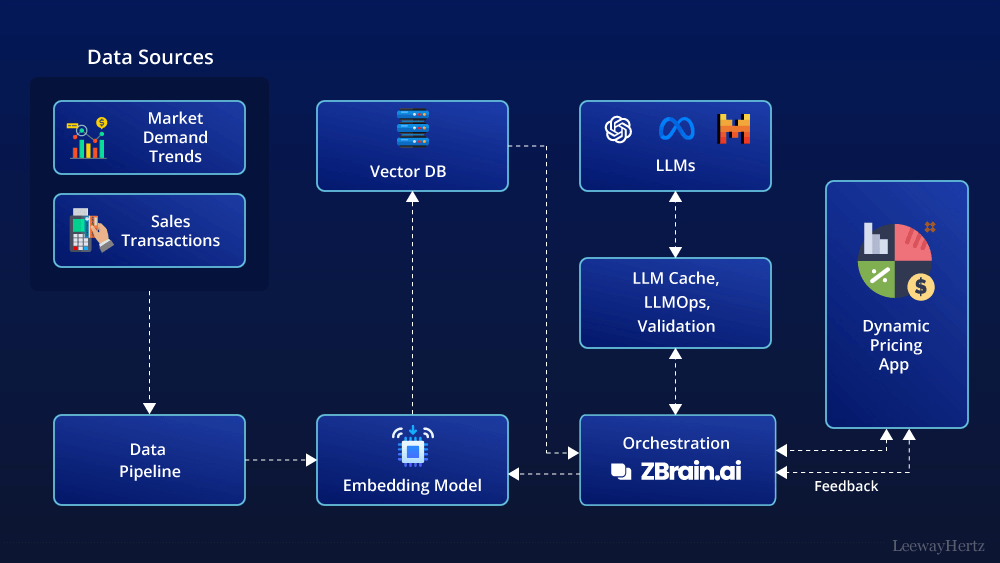
Absolute temporal flexibility is the single most potent weapon an economical traveler can wield against profit-maximizing airline algorithms. Airfares fluctuate wildly based on intricate daily commuting habits, business travel schedules, and localized weekend tourism rushes, which naturally cause ticket prices to skyrocket during Friday evening and Sunday afternoon exit windows.
Committing to travel during less traditional mid-week days, such as Tuesdays and Wednesdays, or opting for low-demand overnight red-eye flights instantly cuts your baseline transit bills in half.
[Rigid Weekend Itinerary]   ──> High Peak Surges ──> Extreme Overhead Costs
[Fluid Mid-Week Exploration] ──> Low-Demand Void   ──> Maximum Financial Savings
By intentionally evading compressed public holiday weekends, regional school vacation breaks, and high-intensity corporate migration seasons, you effectively bypass artificial pricing inflation. This tactical flexibility allows you to exploit the low-demand voids within global transit networks, routing those massive financial savings straight back into your experiential travel budget.
Compare Prices across Fragmented Travel Platforms
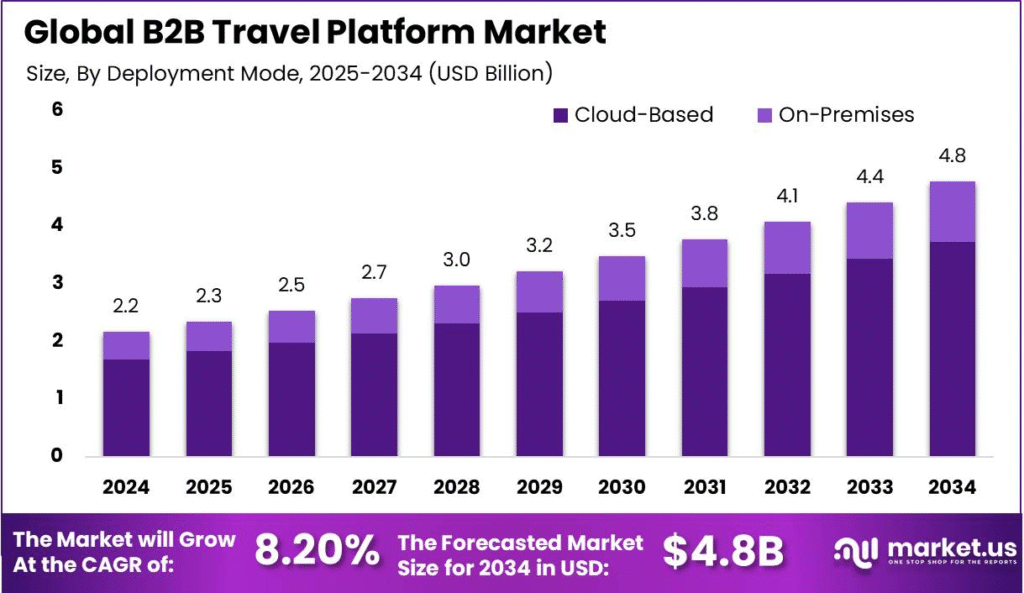
One of the most dangerous consumer mistakes is placing uncompromised trust in a single travel provider or a localized search engine. The modern digital booking matrix is highly fragmented, with different online travel agencies (OTAs), global distribution systems, and direct airline portals continuously manipulating their pricing matrices based on user cookies, device hardware tracking, and localized browser locations.
| Meta-Search Category | Algorithmic Evaluation Mechanism | Strategic Consumer Edge |
| Direct Carrier Portals | Eliminates intermediary markups and guarantees instant rebooking protections. | Maximum passenger rights safety net. |
| Global OTA Aggregators | Leverages private bulk-purchasing contracts to slash room rates. | Unlocks deeply discounted bundled inventory. |
| Meta-Search Engines | Continuously crawls thousands of web nodes simultaneously to expose pricing gaps. | Eliminates hidden structural price variances. |
To achieve absolute transparency, you must actively deploy multi-platform search protocols, auditing your desired itineraries across wholesale consolidators, independent aggregator systems, and direct direct-to-carrier engines. This thorough data audit exposes secret platform variances, allowing you to secure the absolute lowest transaction price while meticulously reviewing structural cancellation rules, baggage inclusions, and consumer protection policies.
Deploy Automated Price Alerts for Precision Booking
Constantly monitoring pricing graphs manually is an incredibly inefficient use of mental energy that frequently results in missing brief, volatile market drops. Elite travel planners offload this tracking burden entirely to automated cloud-based price alert networks and predictive fare-casting algorithms.
[Configure Destination Vector] ──> [AI Continuous Web Monitoring] ──> [Instant Price Drop Trigger]
These intelligent digital tracking nodes continuously evaluate historical data streams and current reservation velocities to accurately forecast whether an airfare will rise or plummet in the coming weeks. The moment a carrier experiences a sudden drop in customer demand or executes a brief promotional flash sale, the system instantly triggers a notification to your personal mobile device, enabling you to execute your transaction at the mathematically perfect moment of maximum cost reduction.
Exploit Consolidated Holiday Package Architectures

Many independent travelers incorrectly assume that booking every single component of a vacation separately is the most economical strategy. In reality, major hospitality conglomerates and global flight networks routinely engage in confidential opaque pricing agreements to quietly liquidate underutilized hotel rooms and empty aircraft seats without damaging their public retail brand values.
By purchasing your round-trip flights, resort accommodations, and localized airport transfers through a singular consolidated bundle, you can tap into massive corporate wholesale discounts that are completely hidden from the standard retail market. These packaged arrangements frequently arrive packed with complimentary luxury upgrades, included daily dining credits, curated local excursions, and integrated travel medical insurance policies, transforming complex trip logistics into a highly streamlined, exceptionally cost-effective holiday model.
Target the Restorative Stillness of Off-Season Windows
Choosing to explore world-class cultural hubs during their designated off-peak or shoulder seasons yields massive compounding financial rewards. During these low-occupancy months, the standard law of supply and demand forces commercial entities to radically slash their pricing thresholds across boutique hotels, regional domestic flights, and iconic tourist landmarks.
[Peak Season Rush] ──> Packed Crowds ──> Inflated Vendor Tariffs
[Off-Season Window] ──> Empty Spaces  ──> Radically Slashed Price Points
Beyond the massive influx of raw financial savings, traveling off-season introduces profound experiential upgrades to your itinerary. You are liberated from the exhaustion of suffocating crowds, agonizing hours-long ticket lines, and aggressive street vendor pricing systems, leaving you completely free to absorb the authentic local culture, connect deeply with neighborhood communities, and enjoy a slow, deeply restorative holiday experience.
Master the Micro-Economics of Travel Loyalty Matrices
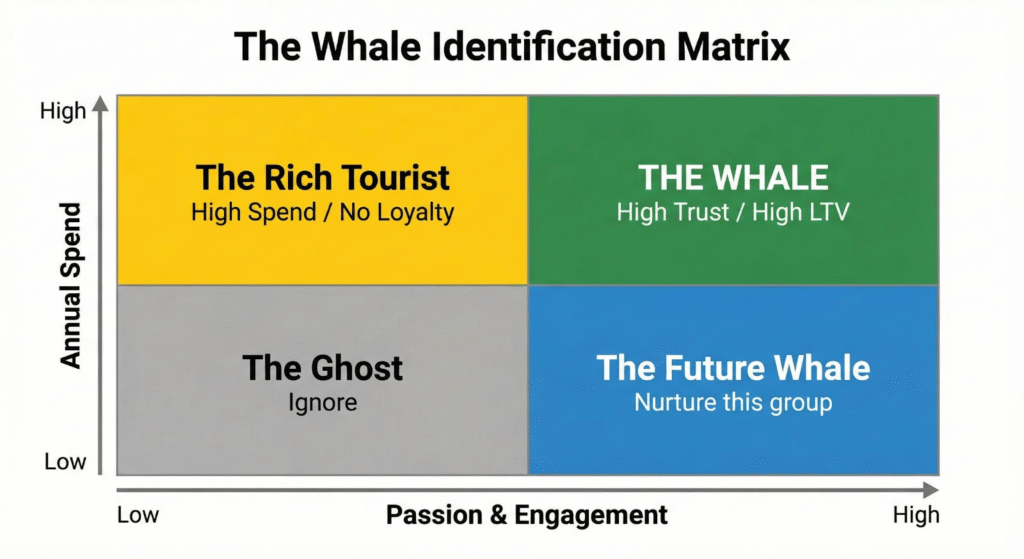
Frequent global travelers should always treat credit card reward currencies and airline frequent flyer programs as highly valuable financial assets. Neglecting to systematically log your miles or optimize your daily spending categories is equivalent to leaving thousands of dollars in travel capital completely on the table.
[Everyday Spending Allocation] ──> [Point Optimization Engines] ──> [Premium Reward Seat Redemptions]
By intentionally concentrating your everyday grocery, dining, and utility expenses onto top-tier travel rewards credit cards, you systematically generate a massive war chest of flexible point currencies that can be instantly transferred into global airline partner accounts. Over time, these strategic point balances can be redeemed to unlock completely free international flights, premium long-haul business class upgrades, and elite five-star hotel stays, allowing you to stretch your physical cash reserves infinitely further.
Optimize Geometric Positioning via Secondary Airport Terminals

When engineering your global transit routes, sticking exclusively to primary international mega-airports can introduce heavy financial penalties due to massive commercial landing taxes and slot configuration fees. Savvy budget architects bypass these hidden costs by broadening their geographic search queries to include secondary regional airports and alternative arrival hubs.
[Primary Hub Flight]   ──> High Landing Taxes ──> Expensive Direct Ticket
[Secondary Hub Flight] ──> Low-Cost Carrier    ──> Budget Ground Transit link
Many low-cost, ultra-budget carriers anchor their entire operations inside secondary airfields located just outside major metropolitan boundaries. Flying into these alternative hubs often saves hundreds of dollars per ticket; the minor cost of a scenic local train or an express bus link into the city center is thoroughly eclipsed by the massive reduction in your primary aviation fare, making it an exceptionally smart logistical trade-off.
Practice Extreme Caution with Dynamic Last-Minute Offers
The allure of the hyper-discounted last-minute travel deal is a powerful marketing tool that can occasionally save flexible travelers thousands of dollars. These sudden cost reductions occur when luxury cruise liners, charter jet networks, or boutique wellness resorts realize they are holding un-booked inventory that will completely expire upon departure, forcing them to liquidate remaining slots at rock-bottom prices to recover baseline costs.
However, relying entirely on last-minute panic booking is a high-risk gamble that can easily backfire during high-demand summer seasons or global conference weeks. If the algorithms detect zero remaining capacity, last-minute pricing will immediately skyrocket to historical highs, meaning this high-stakes strategy should be reserved strictly for spontaneous, highly agile adventurers who are perfectly content changing their destination on a whim.
Uncover and Neutralize Hidden Ancillary Fee Frameworks

In the modern aviation ecosystem, a low initial ticket price can be incredibly deceptive, often functioning as a psychological trap designed to draw consumers into complex fee funnels. Low-cost carriers routinely master the art of unbundled pricing models, displaying an incredibly cheap base fare while charging extra for carry-on luggage validation, seat selection rights, airport check-in assistance, and basic inflight beverage service.
[Deceptive Low Ticket Price] + [Baggage Fees + Seat Selection + Check-In Penalties] = [Overpriced Fare]
To shield your wallet from these predatory monetization strategies, you must calculate the absolute total cost of your journey before clicking the final confirmation button. Always read the fine print regarding stringent baggage dimensions, mandatory digital boarding pass downloads, and potential local hotel resort fees, ensuring that your low-cost flight ticket remains a genuine economic victory rather than an expensive regulatory headache.
Leverage Predictive AI Infrastructure to Plan Smarter
In 2026, the integration of generative AI personal concierges has completely eliminated the exhausting manual labor historically required to plan a cost-efficient vacation. Modern travelers can now instruct intelligent neural networks to instantly synthesize thousands of open-source flight schedules, hotel occupancy metrics, and historical pricing charts into a highly optimized budget blueprint.
These advanced digital planners can design a comprehensive day-by-day itinerary that aligns perfectly with your specific dietary needs, personal interest markers, and exact spending limits. By leveraging technology to handle the tedious data processing, you can step out of the stress of logistics management, allowing you to make highly informed, data-driven planning choices that unlock the absolute best value every time you cross a border.