
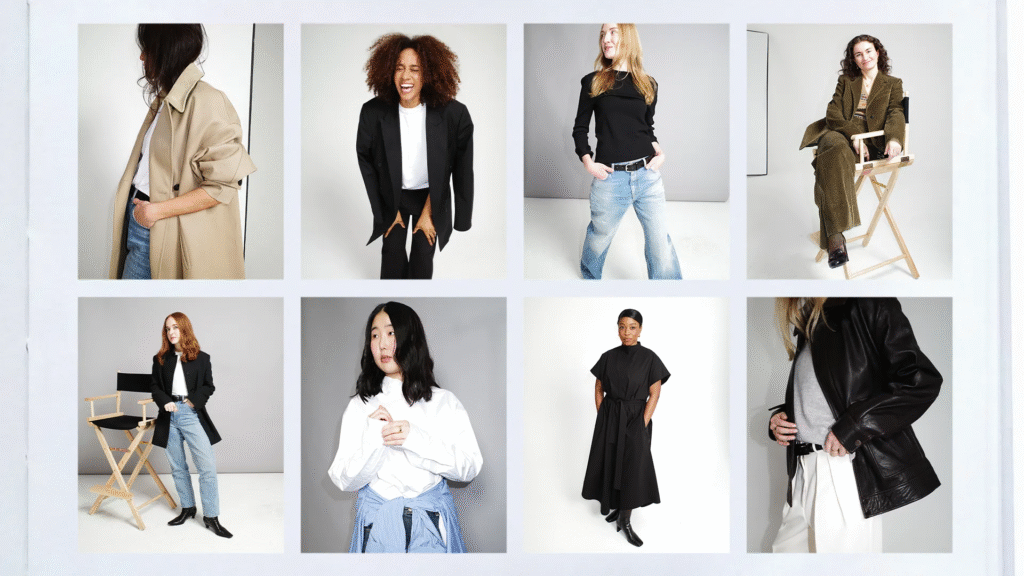
Fashion is so much more than blindly picking up whatever is hanging on the front racks of retail stores or copying a seasonal lookbook. At its very core, what we wear is a deeply personal canvas and a powerful tool for self-expression that signals to the world exactly who we are before we even open our mouths to speak. Your clothes tell a story about your personality, your daily lifestyle, your background, and your internal confidence levels.
In our modern, ultra-connected world, the way we view clothing is changing at a breathtaking speed. We are constantly flooded with a non-stop stream of outfit inspiration from shifting social media algorithms, global red carpet celebrities, grass-roots cultural movements, and rapidly changing consumer tastes. Yet, amidst all this noise, the real magic of fashion happens when you learn to step back from the constant rush of the trend cycle and intentionally build a unique personal style. When you discover an authentic way of dressing, you don’t just look better—you instantly unlock a profound sense of comfort, grounded self-esteem, and quiet confidence that changes how you carry yourself through the world.
Decoding the Rules of Modern Fashion
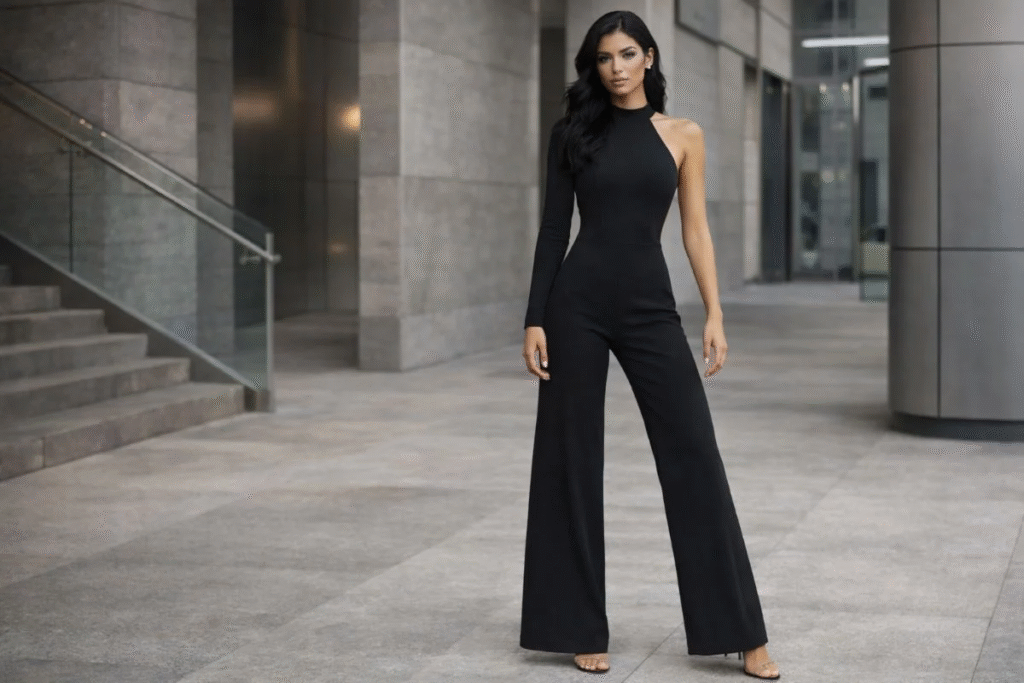
If we look back at the history of clothing, previous eras were usually defined by very strict, unyielding rules. In the past, specific hemlines, rigid silhouettes, and uniform color palettes dictated exactly what was considered socially acceptable or fashionable for a particular decade. Today, thank goodness, modern fashion has completely shattered those boundaries, replacing rigid rules with a beautiful celebration of diversity, artistic creativity, and pure individuality.
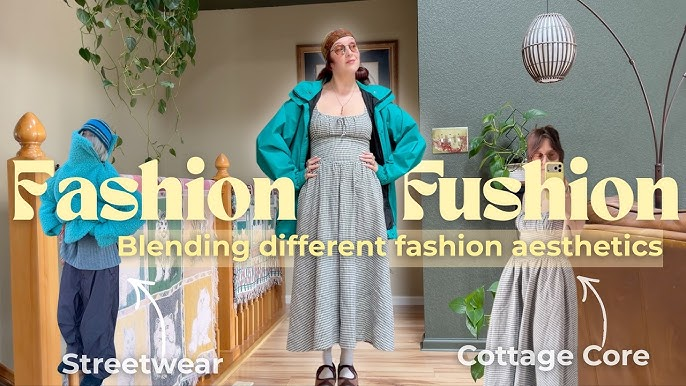
The modern fashion landscape does not want you to look like a carbon copy of everyone else on your street. Instead, it invites you to become a visual artist, encouraging you to playfully mix totally different aesthetics, unexpected color patterns, and contrasting cultural influences to design a look that is entirely your own. You can effortlessly pair a vintage structured blazer with casual streetwear sneakers, or mix high-end designer pieces with thrifty, well-loved denim. Because there are no longer any strict fashion penalties or universal boundaries, it has never been easier to freely experiment with different shapes and textiles to uncover the exact styles that make you feel like the most authentic version of yourself.
Why a Distinct Personal Style Changes Everything
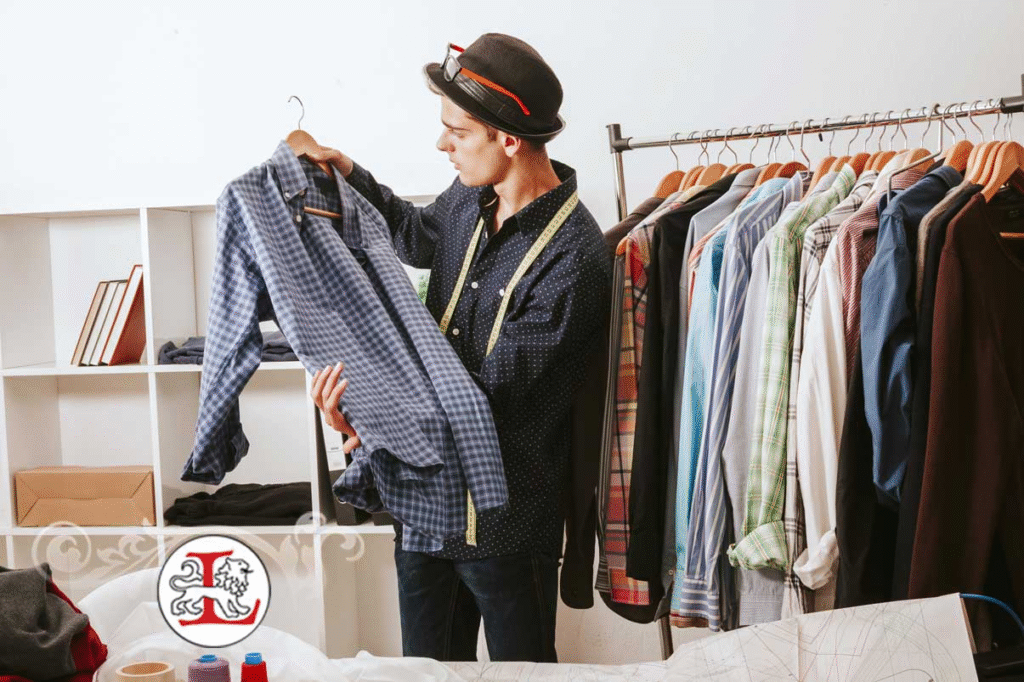
It is incredibly easy to confuse the terms fashion and style. Fashion is the external relationship to the outside world—it represents the temporary trends, the runway shows, and what the industry is actively producing at any given moment. Style, however, is your internal relationship to yourself. It is the highly selective, intentional way you choose to curate those external options, filtering clothes through the lens of your own lifestyle needs, physical comfort, and aesthetic preferences.
[Global Fashion Trends] ──► ( Your Personal Lens: Lifestyle & Comfort ) ──► [ Your Signature Style ]
When you take the time to define a strong personal style, you are doing yourself a massive favor that goes way beyond looking chic. For starters, it completely eliminates the daily stress and decision fatigue of staring blankly into a crowded closet every morning crying out that you have absolutely nothing to wear. More importantly, dressing in a way that feels deeply aligned with who you are acts like an invisible psychological shield. When your physical clothes mirror your internal identity, your self-esteem receives a natural, effortless boost, allowing you to step into business meetings, social gatherings, or casual coffee dates with an undeniable air of ease and self-assured presence.
Uncovering Your Own Fashion Identity
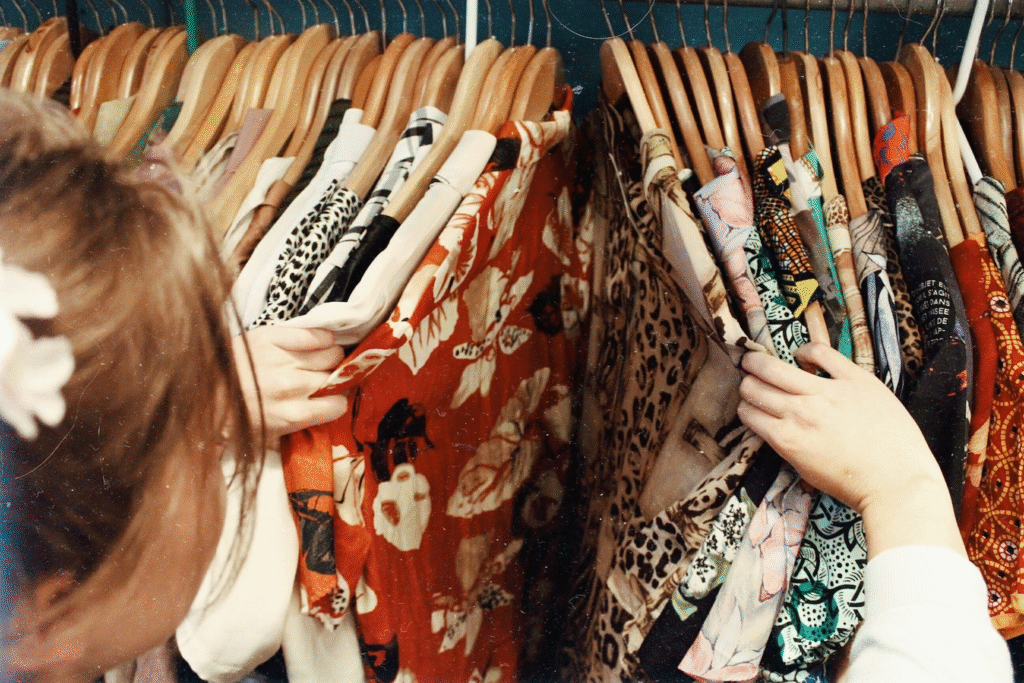
Discovering your true fashion identity is not an overnight task that happens after a single shopping trip; it is an ongoing journey of curious exploration, trial and error, and playful experimentation. A wonderful place to start is by stepping away from store windows and simply observing the world around you with a notebook or a digital mood board. Take active notice of the outfits that make you pause while scrolling online, the costumes in your favorite films, or the effortless street style of people in your local neighborhood, and look closely for the subtle, recurring elements that naturally draw you in.
As you gather inspiration, you will quickly start to see patterns emerge that point directly toward a specific style family. You might find that your soul craves the clean lines, neutral tones, and quiet luxury of minimalist fashion, or perhaps you are energized by the vibrant colors, loud patterns, and unique textures of an eccentric, maximalist wardrobe. Some people feel most at home in the sharp lines of classic tailoring, while others feel their best in the comfortable, unstructured layers of skater streetwear. There is absolutely no right or wrong answer here; the goal is simply to figure out what resonates with you so you can build a wardrobe that feels practical, honest, and joyful for your actual day-to-day life.
The Art of Building a Versatile Capsule Wardrobe
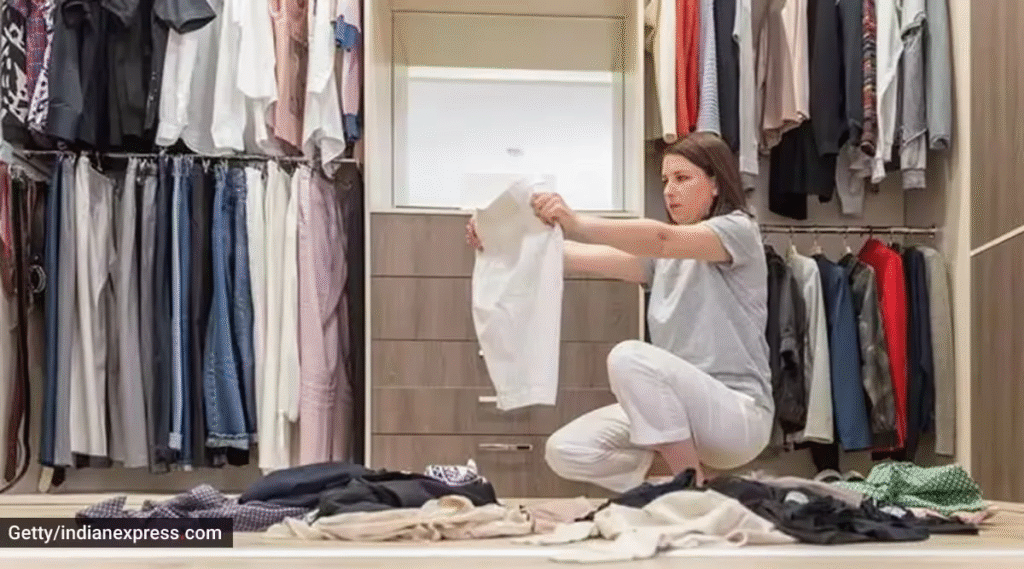
The secret to always having a fabulous outfit ready to go does not require owning a massive, walk-in closet overflowing with hundreds of garments. In fact, too many choices usually leads to total wardrobe paralysis. The real trick lies in investing in a core foundation of timeless, ultra-versatile capsule essentials that can be effortlessly mixed, matched, and layered for almost any occasion.
                  [ Classic Blazer ]
                          │
         ┌────────────────┴────────────────┐
         ▼                                 ▼
   [ Quality Denim ]               [ Tailored Trousers ]
         │                                 │
   ( Casual Streetwear )             ( Sharp Professional )
These essential wardrobe workhorses are the reliable anchors of great style. We are talking about things like a perfectly tailored blazer that instantly smartens up a basic t-shirt, a pair of dark-wash quality jeans that fit like a glove, crisp neutral tops, and timeless, comfortable footwear. Because these classic pieces are clean and free of loud, temporary design gimmicks, they act like building blocks. You can easily pair these structured staples with a few fun, inexpensive trend pieces each season to create a perfectly balanced, modern outfit without ever having to spend a fortune constantly replacing your entire wardrobe.
How to Navigate Trends Without Losing Yourself
Let’s be completely honest: fashion trends are incredibly fun. They bring fresh energy to our closets, reflect the artistic spirit of our current times, and keep our daily outfits from feeling stale or dated. Between social media micro-trends and seasonal runway collections, we are introduced to new colors, cuts, and aesthetics every single month. However, the danger comes when we try to mindlessly copy every single trend that goes viral on our feeds.
The secret to masterful dressing is learning to treat trends like an optional buffet rather than a strict set of rules. When a new style takes the world by storm, don’t ask yourself if it is popular—ask yourself if it complements your existing wardrobe, suits your physical lifestyle, and honors your personal comfort. If a trend doesn’t feel right to you, feel completely free to ignore it entirely. The most stylish icons in history are never the ones who wear every single runway trend at the exact same time; they are the individuals who judiciously borrow small elements from modern trends and weave them seamlessly into their own established signature look.
The Power of Colors and Fabric Choice
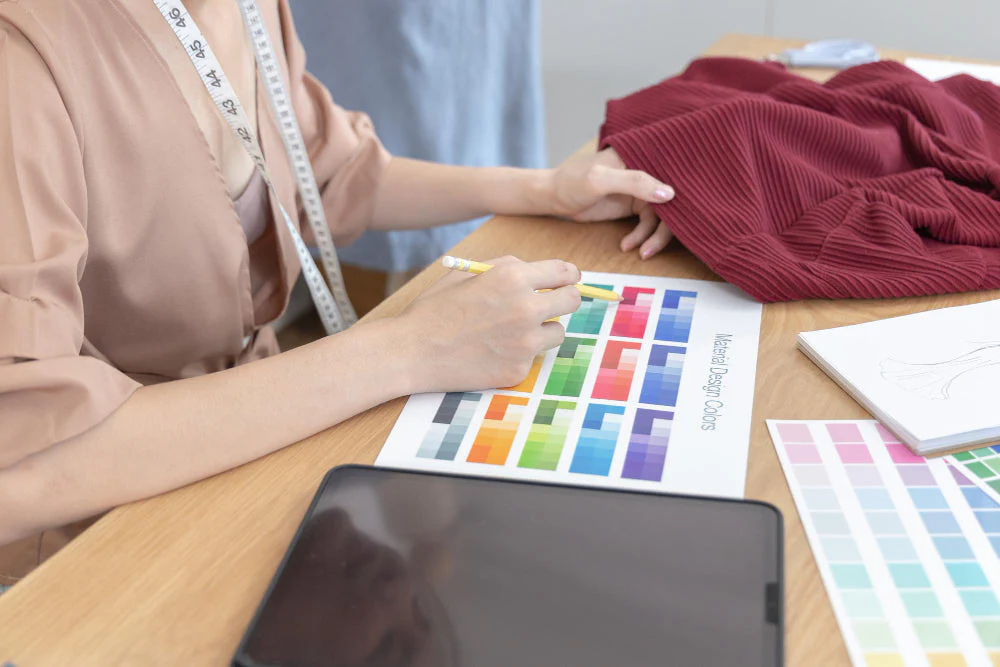
When we look at an outfit, our brains process its visual elements in a very specific order: first we register the color, then we see the texture of the fabric, and finally we evaluate the actual cut of the clothing. This means that understanding colors and fabric textures is a massive shortcut to elevating your entire aesthetic presence.
Choosing the right colors can completely transform your look, illuminating your skin tone, brightening your eyes, and radiating a specific emotional energy. While neutral shades like black, cream, grey, and navy form the perfect quiet background for an outfit, adding a thoughtful pop of a signature color can turn a simple look into a memorable style statement. Equally important is the tactile quality of your fabrics. Investing in natural materials like breathable cotton, crisp linen, structure-holding wool, and soft silk doesn’t just make you look more polished; it dramatically improves your physical comfort and ensures your clothes survive the wash cycle for years to come.
Accessories: The Ultimate Style Transformers
If clothes are the foundation of a house, then accessories are the beautiful interior design that turns it into a home. You can take the exact same base outfit—say, a simple white tee and classic blue jeans—and use different accessories to completely rewrite the entire vibe of the look in under two minutes.
One Outfit, Two Completely Different Vibes
- The Casual Daytime Look: Toss on a pair of oversized tortoiseshell sunglasses, a functional leather belt, a canvas tote bag, and some clean, minimalist white sneakers for a relaxed weekend market run.
- The Polished Evening Look: Switch out the sneakers for a pair of pointed-toe boots, add a structured leather clutch, loop on a statement gold chain necklace, and pull your hair back to create an instant sense of evening elegance.
By being intentional with your watches, jewelry, bags, and scarves, you can drastically multiply the number of outfits you can create without needing to buy a single new piece of clothing.
Mastering the Art of Dressing for the Occasion
Our lives are multifaceted, meaning our wardrobes have to be incredibly flexible. Over the course of a single week, you might find yourself moving from a formal corporate presentation to a casual weekend barbecue, followed by an elegant evening dinner or a sweaty workout session. The trick to navigating these different environments without stress is understanding basic dress codes and building a transitional wardrobe.
Dressing appropriately for an event isn’t about conforming or hiding your personality; it is a form of respect for your hosts and a way to ensure you feel entirely at ease in the room. A truly versatile wardrobe features clever chameleon pieces that can easily shift contexts with minimal effort. A sleek slip dress, for example, can be worn to a business meeting when layered under a sharp wool blazer, and then instantly transitioned into a chic dinner outfit simply by removing the blazer and adding a bold swipe of lipstick.
Joining the Sustainable Fashion Movement
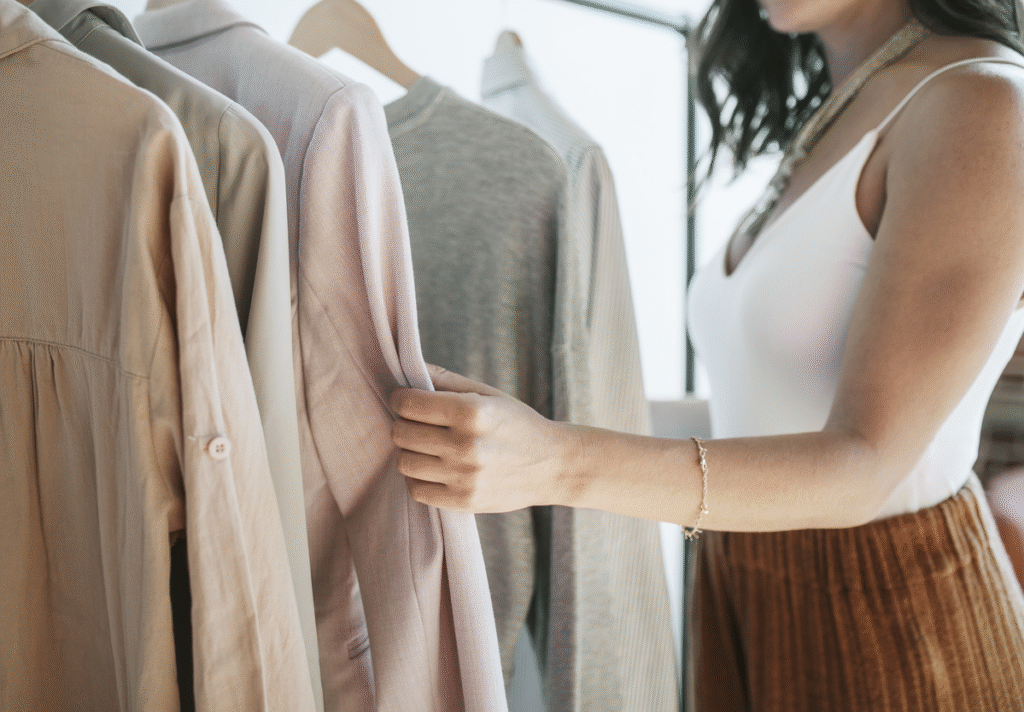
In recent years, a massive and necessary shift has taken place within the clothing industry. Consumers all over the planet are waking up to the environmental and ethical costs of “fast fashion”—the practice of mass-producing cheap, disposable garments that fall apart after three wears and end up filling up local landfills. Today, sustainable fashion and conscious shopping habits are no longer just niche trends; they are an essential part of being a responsible global citizen.
[ Fast Fashion: Buy Cheap ] ──► [ Breaks Fast ] ──► [ Landfill Waste ]

[ Sustainable Fashion: Buy Quality ] ──► [ Worn for Years ] ──► [ Restyled / Recycled ]
Embracing a sustainable approach to style doesn’t mean you have to stop loving clothes. Instead, it invites you to adopt a mindset of buying less but buying much better quality. It means supporting ethical brands that pay fair wages, seeking out durable natural fabrics, exploring vintage thrift stores for unique pieces, and taking proper care of the clothes you already own. When you shift your focus toward longevity and mindful curation, you naturally end up building a far more interesting, unique, and deeply intentional wardrobe that protects both your personal style and our shared planet.
Navigating the Influence of Social Media
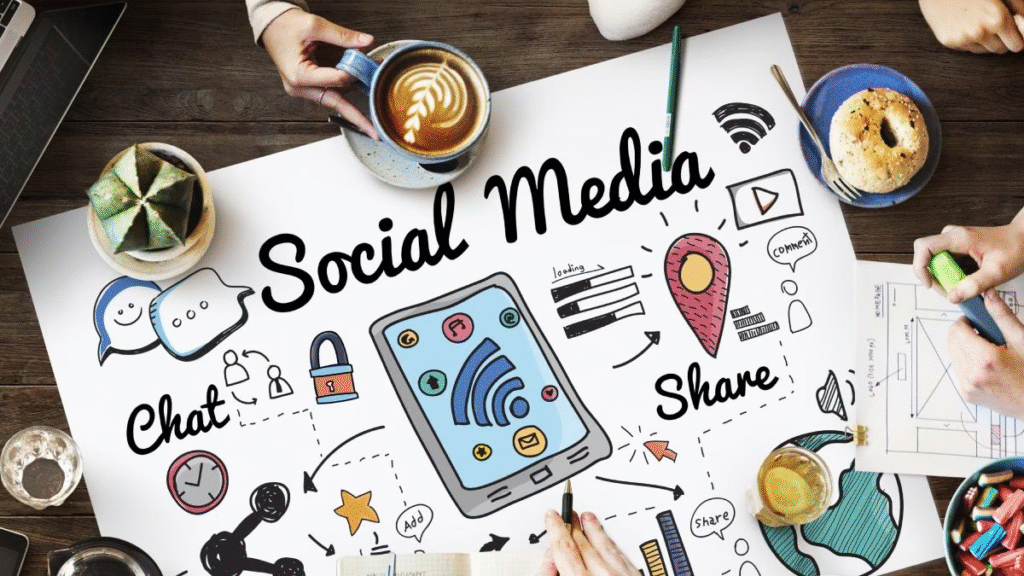
There is no denying that social media platforms like Instagram, TikTok, and Pinterest have completely democratized the fashion world. In the past, style inspiration was gatekept by elite magazine editors and exclusive fashion houses. Today, millions of everyday style creators and diverse digital influencers share their personal outfits, daily styling hacks, and wardrobe organization tips directly with the world every second.
While this open access is an incredible source of creative inspiration, it also comes with a major psychological trap. The constant loop of fashion content can create an artificial pressure to constantly buy new items to keep up with the endless digital algorithm. The secret to using social media safely is to treat it strictly as an ideas lookbook. Use it to learn new color combinations or discover unique ways to style items you already own sitting in your closet right now, rather than treating your feed as a continuous shopping list.
Confidence: The Most Important Thing You Wear
You could buy the most expensive designer suit straight off the runway, but if you do not feel comfortable or authentic inside it, the outfit will completely fall flat. At the end of the day, true confidence remains the absolute most important element of great style. The most magnetic, stylish people we encounter in our lives are rarely the ones wearing the glitzicst labels; they are the individuals who wear their clothes with an unmistakable sense of ease, comfort, and self-acceptance.
Fashion should never feel like an stressful test you are trying to pass, or a source of anxiety to conform to unrealistic, photoshopped body standards. Your wardrobe should serve you, lift you up, and empower you to step into your daily life feeling powerful, comfortable, and completely beautiful. When you choose clothes that fit your real body perfectly today and echo your genuine inner spirit, you naturally radiate a glowing confidence that no store-bought luxury item could ever replicate.