
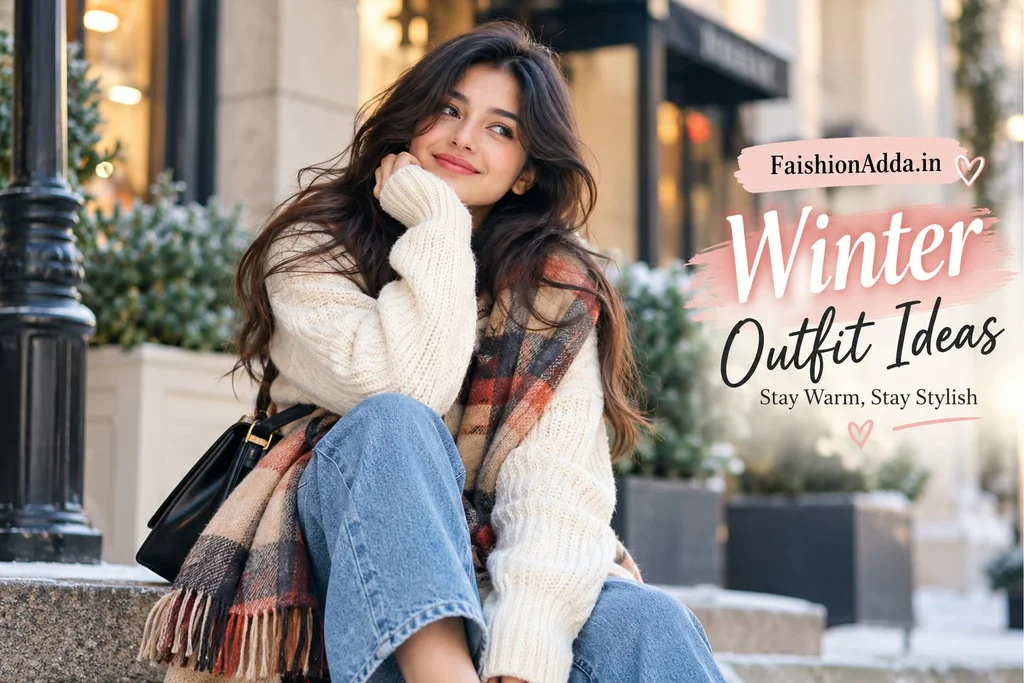
Fashion is more than just Discover choosing what to wear. It is a powerful form of self-expression that reflects personality, creativity, culture, and lifestyle. From everyday casual outfits to elegant occasion wear, fashion allows people to experiment with different looks and express their individuality. As trends continue to evolve, clothing, footwear, accessories, and beauty choices are becoming an important part of how people present themselves.
In 2026, fashion is embracing a combination of comfort, individuality, sustainability, and creative styling. People are increasingly exploring outfits that look attractive while fitting naturally into their daily routines. Minimalist clothing, relaxed silhouettes, statement accessories, vintage-inspired designs, and versatile wardrobe essentials are influencing modern style choices.
Social media, celebrity appearances, fashion influencers, and international fashion weeks also play an important role in introducing new trends. However, following every trend is not necessary. The most interesting fashion choices often come from combining current styles with personal preferences.
Whether you enjoy experimenting with bold outfits or prefer timeless wardrobe staples, understanding fashion trends can help you discover new styling ideas and build a wardrobe that feels comfortable, practical, and uniquely yours.
Understanding Fashion and Its Importance
Fashion refers to the way people express themselves through clothing, footwear, accessories, hairstyles, and other personal styling choices. It changes with seasons, cultures, social influences, and individual preferences.
While some people follow popular trends, others prefer classic styles that remain relevant for years. Both approaches are valuable because fashion does not have one fixed definition. It is about finding combinations that match your personality and lifestyle.
Fashion also influences different industries, including retail, entertainment, beauty, design, and digital media. Designers introduce new collections, brands experiment with materials, and consumers discover fresh ways to style everyday outfits.
Why fashion matters:
- Self-expression: Communicates personality through clothing and styling.
- Confidence: Wearing outfits that feel comfortable can improve self-confidence.
- Creativity: Encourages experimentation with colours, patterns, and accessories.
- Cultural identity: Reflects traditions, regional influences, and cultural heritage.
- Practicality: Helps people choose suitable clothing for different activities and occasions.
- Personal development: Encourages individuals to understand their preferences and develop their own style.
Latest Fashion Trends to Explore in 2026
Fashion trends are constantly changing, but some styles continue to influence everyday wardrobes. The current fashion landscape combines modern aesthetics with comfortable designs and versatile pieces.
1. Minimalist Fashion and Timeless Clothing
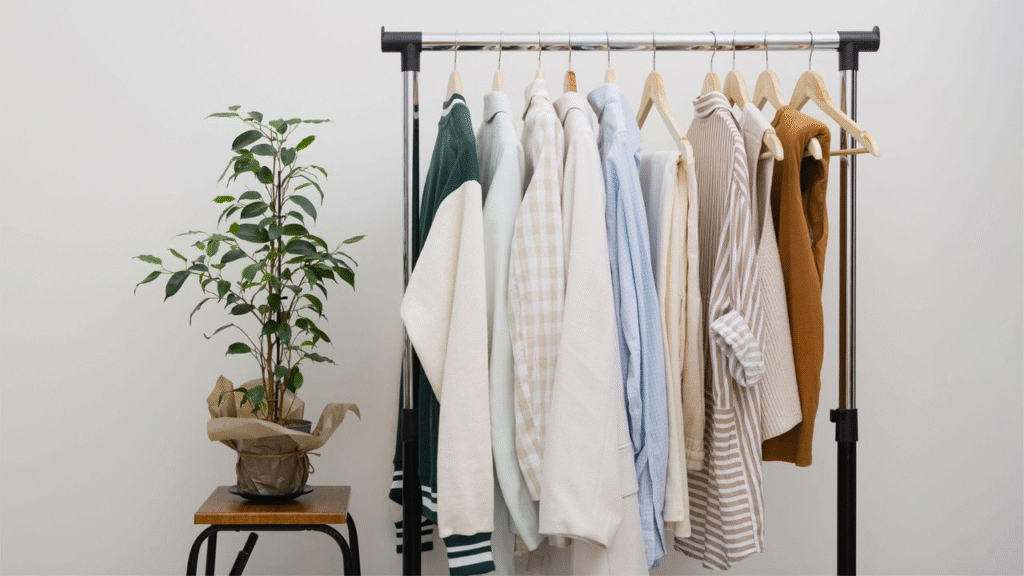
Minimalist fashion focuses on simplicity, clean silhouettes, neutral colours, and versatile clothing. Instead of filling a wardrobe with numerous trend-driven pieces, this approach encourages investing in items that can be styled in different ways.
White shirts, tailored trousers, simple dresses, structured blazers, and classic denim are examples of wardrobe essentials.
One major advantage of minimalist fashion is its versatility. A single blazer can complement office trousers, jeans, or a casual dress. Similarly, neutral tops can be paired with different bottoms to create fresh combinations.
2. Oversized Clothing and Relaxed Silhouettes
Comfort continues to influence modern clothing choices. Oversized shirts, loose-fit jeans, relaxed jackets, and wide-leg trousers have become popular options for casual and streetwear-inspired looks.
These pieces offer flexibility and create an effortless appearance without requiring complicated styling.
For a balanced outfit, pair an oversized top with fitted trousers or combine wide-leg jeans with a structured shirt. Adding sneakers, sunglasses, or a small shoulder bag can complete the look.
3. Sustainable and Conscious Fashion
Sustainability is becoming an important conversation in the fashion industry. Consumers are increasingly interested in clothing quality, material choices, ethical production, and responsible shopping habits.
Instead of purchasing new clothes frequently, people can explore second-hand fashion, clothing exchanges, repairs, and versatile wardrobe essentials.
Simple ways to adopt sustainable fashion:
- Choose durable clothing that can be worn repeatedly.
- Explore thrift stores and pre-loved fashion.
- Repair damaged clothing instead of immediately replacing it.
- Prefer versatile pieces that work with multiple outfits.
- Check fabric composition and product information before purchasing.
- Donate or responsibly recycle clothes you no longer need.
4. Vintage and Retro-Inspired Styles
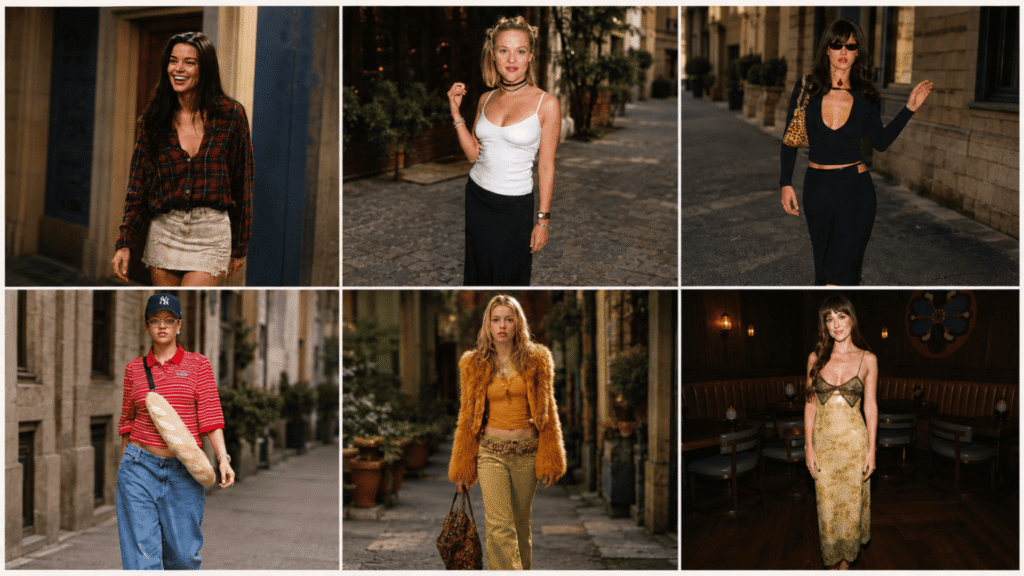
Vintage-inspired fashion brings earlier decades into modern wardrobes. Denim jackets, retro sunglasses, printed shirts, flared trousers, and classic silhouettes offer interesting styling possibilities.
The appeal of vintage fashion comes from its ability to combine nostalgia with contemporary designs. You can create a modern retro outfit by pairing flared jeans with a simple fitted top or styling a vintage-inspired jacket with contemporary footwear.
5. Statement Accessories
Accessories can transform even the simplest outfit. Handbags, belts, sunglasses, watches, jewellery, and scarves help introduce personality and visual interest.
Instead of changing your entire outfit, adding one distinctive accessory can create a completely different appearance.
Popular accessory ideas include:
- Structured handbags and shoulder bags.
- Layered necklaces and statement earrings.
- Oversized sunglasses.
- Classic leather belts.
- Colourful scarves and hair accessories.
- Stylish watches and bracelets.
Different Types of Fashion Styles
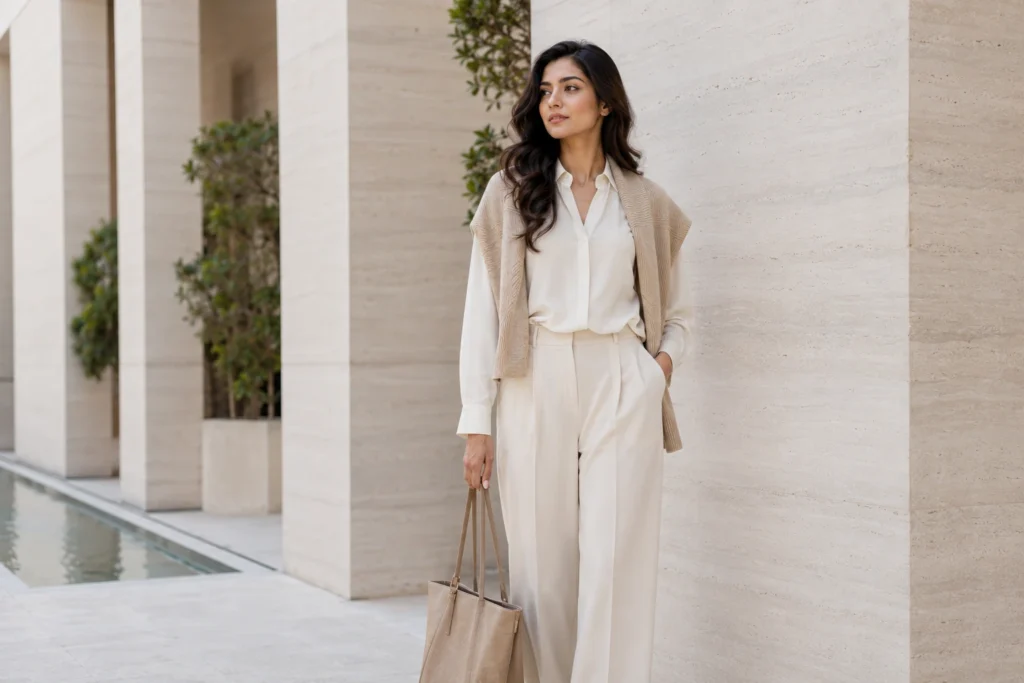
Fashion is diverse, and every style offers a different way to express individuality. Understanding popular fashion categories can help you discover the looks that suit your preferences.
| Fashion Style | Key Characteristics | Popular Clothing |
|---|---|---|
| Casual Fashion | Comfortable and practical | Jeans, T-shirts, sneakers |
| Streetwear | Urban and expressive | Hoodies, graphic tees, oversized jackets |
| Minimalist Fashion | Simple and timeless | Neutral shirts, tailored trousers |
| Formal Fashion | Elegant and structured | Suits, blazers, formal dresses |
| Bohemian Fashion | Artistic and relaxed | Flowy dresses, prints, layered jewellery |
| Vintage Fashion | Inspired by previous decades | Retro denim, classic prints |
| Athleisure | Combines sportswear and everyday style | Leggings, joggers, athletic tops |
| Ethnic Fashion | Inspired by cultural traditions | Sarees, kurtas, lehengas |
Casual Fashion for Everyday Comfort
Casual fashion is ideal for everyday activities, shopping trips, college, and informal gatherings. It focuses on easy-to-wear clothing that offers comfort without compromising appearance.
Basic T-shirts, straight-fit jeans, cotton shirts, sneakers, and comfortable dresses are useful wardrobe additions. You can also experiment with colours and accessories to make simple outfits more interesting.
Streetwear for a Modern Look
Streetwear combines casual clothing with urban influences, expressive graphics, and relaxed silhouettes. It is particularly popular among younger fashion audiences and has strong connections with music, sports, and street culture.
Graphic T-shirts, cargo trousers, oversized hoodies, sneakers, and statement caps are common streetwear pieces.
Ethnic Fashion and Cultural Expression
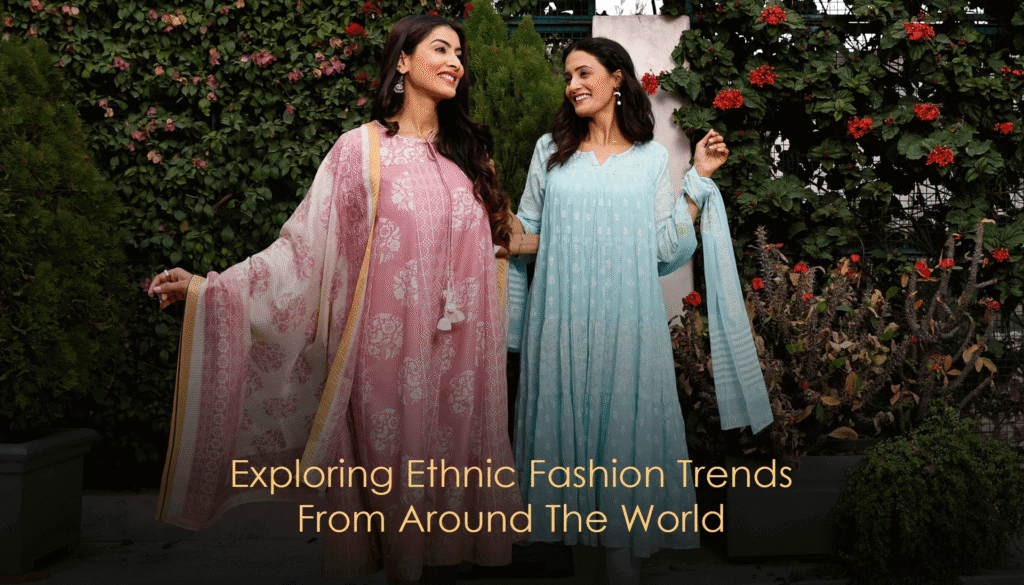
Ethnic fashion celebrates traditional clothing, regional craftsmanship, and cultural heritage. In India, sarees, salwar suits, kurtas, lehengas, and embroidered outfits remain important choices for festivals, weddings, and celebrations.
Modern ethnic fashion also combines traditional garments with contemporary cuts, accessories, and styling techniques.
How to Build a Stylish and Practical Wardrobe
Creating a fashionable wardrobe does not require purchasing expensive clothing or following every new trend. The most effective approach is to understand your personal preferences and choose versatile items that work together.
Step 1: Identify Your Personal Style
Start by exploring the colours, patterns, silhouettes, and outfits you naturally enjoy wearing. Save inspiration from fashion websites, magazines, and social media.
Notice which outfits make you feel comfortable and confident. This will help you develop a consistent personal style.
Step 2: Invest in Wardrobe Essentials
Everyday essentials provide a foundation for multiple outfit combinations.
| Wardrobe Essential | Styling Possibilities |
|---|---|
| White T-shirt | Jeans, skirts, shorts |
| Blue denim jeans | Shirts, tops, jackets |
| Black trousers | Office and casual outfits |
| Neutral blazer | Dresses, jeans, formal trousers |
| Comfortable sneakers | Casual and streetwear looks |
| Classic handbag | Everyday and occasion outfits |
| Simple dress | Casual outings and formal styling |
Step 3: Experiment with Colours
Colours can influence the overall appearance of an outfit. Neutral shades such as black, white, beige, grey, and navy are easy to combine, while brighter colours can introduce personality.
Try combining one statement colour with neutral pieces to create a balanced look.
Step 4: Choose Clothes That Fit Well
The right fit can make a significant difference to how an outfit looks and feels. Consider the garment’s shoulder placement, waistline, sleeve length, and overall proportions.
Remember that the best fit is the one that allows you to move comfortably and feel confident.
Step 5: Mix and Match Different Pieces
You do not need a completely new outfit for every occasion. Experiment with existing wardrobe pieces by changing accessories, footwear, layering, or colour combinations.
For example, the same pair of black trousers can work with a casual T-shirt during the day and a structured shirt for an evening event.
Fashion for Different Seasons
Seasonal fashion makes it easier to select suitable clothing based on temperature, weather conditions, and lifestyle requirements.
| Season | Fashion Choices | Useful Accessories |
|---|---|---|
| Spring | Light shirts, floral dresses, denim jackets | Sunglasses, light scarves |
| Summer | Cotton dresses, linen shirts, shorts | Hats, sandals, sunglasses |
| Monsoon | Quick-drying clothing, lightweight layers | Waterproof footwear, umbrellas |
| Autumn | Cardigans, jeans, light jackets | Boots, scarves |
| Winter | Sweaters, coats, thermal layers | Gloves, beanies, boots |
Important styling pointers:
- Choose breathable fabrics during warmer months.
- Use comfortable layers during colder weather.
- Select practical footwear for rainy conditions.
- Consider fabric weight when planning seasonal outfits.
- Choose colours and textures that complement your wardrobe.
Popular Fashion Brands and Where to Find Inspiration
Fashion brands influence trends through their collections, campaigns, collaborations, and creative direction. Exploring different brands can help you understand how clothing styles vary across markets and audiences.
Some internationally recognised fashion names include:
| Brand | Known For | Fashion Category |
|---|---|---|
| Zara | Contemporary clothing | Modern and casual fashion |
| H&M | Accessible everyday clothing | Casual and seasonal fashion |
| Nike | Sportswear and sneakers | Athleisure |
| Adidas | Athletic and lifestyle clothing | Sports and streetwear |
| Uniqlo | Functional basics | Minimalist fashion |
| Bershka | Trend-led clothing | Youth and streetwear |
You can explore brand collections to discover outfit combinations, colour palettes, seasonal inspiration, and different styling approaches. However, choose clothing based on your needs rather than purchasing something simply because it is trending.
The Role of Social Media in Modern Fashion
Social media has transformed how people discover and follow fashion trends. Platforms such as Instagram, Pinterest, TikTok, and YouTube allow designers, creators, celebrities, and everyday users to share outfit ideas with global audiences.
Fashion creators regularly publish styling tutorials, seasonal cookbooks, shopping recommendations, and wardrobe transformation videos. These formats make fashion inspiration more accessible than traditional magazines alone.
Social media also encourages consumers to explore smaller labels, independent designers, thrift stores, and emerging fashion communities.
However, not every trending outfit is practical or suitable for every individual. It is important to separate inspiration from purchasing decisions and avoid unnecessary spending because of online trends.
Future of Fashion: Technology, Innovation and Personalisation
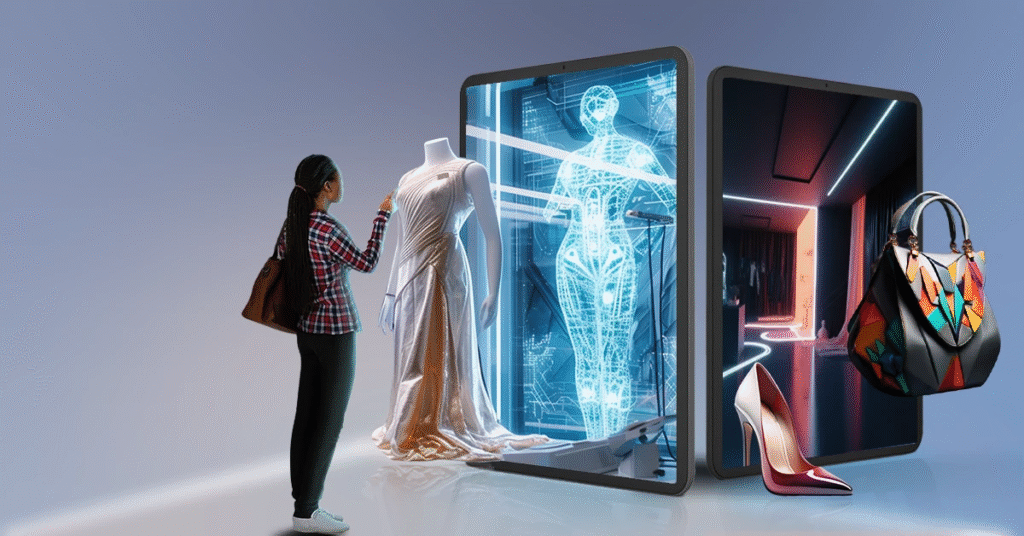
Technology is changing how fashion products are designed, discovered, purchased, and experienced. Digital platforms and artificial intelligence are creating new opportunities for both consumers and fashion businesses.
Some important developments shaping the industry’s future include:
1. AI-powered styling: Artificial intelligence can help users explore outfit combinations, discover colour palettes, and receive personalised fashion suggestions.
2. Virtual try-on technology: Digital fitting tools allow shoppers to preview certain clothing, accessories, and beauty products before making purchasing decisions.
3. Digital fashion experiences: Virtual environments are creating new opportunities for digital clothing, fashion presentations, and creative experimentation.
4. Sustainable materials: Fashion companies are exploring recycled fibres, alternative materials, and production methods designed to reduce environmental impact.
5. Personalised shopping: Online platforms are increasingly using customer preferences and browsing behaviour to recommend relevant products.
These developments demonstrate how fashion is expanding beyond traditional clothing design. The future will likely combine creativity, technology, comfort, and more informed shopping experiences.
Frequently Asked Questions (FAQs)
1. What are the latest fashion trends in 2026?
Popular fashion directions include minimalist outfits, oversized clothing, vintage-inspired designs, statement accessories, and sustainable fashion.
2. How can I develop my personal fashion style?
Explore different outfits, identify your preferred colours and silhouettes, and experiment with clothing combinations that make you feel comfortable.
3. What are the essential pieces for a wardrobe?
Basic T-shirts, denim jeans, neutral trousers, versatile shirts, comfortable footwear, and a classic jacket are useful essentials.
4. How can I look stylish on a budget?
Shop during sales, explore thrift stores, reuse existing clothing, and invest in versatile pieces that can create multiple outfits.
5. Why is sustainable fashion important?
It encourages responsible clothing choices, longer garment use, reduced textile waste, and greater awareness of production practices.