
The kitchen is one of the most important spaces Kitchen Savings in every home, but it can also become a major source of everyday expenses. From grocery shopping and cooking ingredients to appliances, storage containers, electricity, and cleaning products, small costs can quickly add up. The good news is that saving money in the kitchen does not mean giving up delicious meals or sacrificing convenience. With a few thoughtful habits, families can make their kitchens more economical, efficient, and enjoyable.
Kitchen savings are all about making smarter decisions. Planning meals before shopping, using ingredients efficiently, reducing food waste, comparing grocery prices, and choosing energy-efficient appliances can make a noticeable difference over time. Even simple changes, such as storing vegetables correctly or preparing meals at home, can help reduce unnecessary spending.
In 2026, budget-conscious households are increasingly interested in practical home solutions, affordable kitchen essentials, and smarter ways to manage everyday expenses. Whether you live alone, share a home, or cook for a family, creating a savings-focused kitchen can help you maintain better control over your household budget.
Plan Your Grocery Shopping Before You Buy

Create a Weekly Grocery List
One of the easiest ways to save money in the kitchen is to plan grocery purchases in advance. Shopping without a list often leads to impulse buying, duplicate purchases, and unnecessary ingredients that may eventually go unused.
Before visiting a supermarket or placing an online grocery order, check your refrigerator, pantry, and kitchen cabinets. Identify what you already have and prepare a list of items you genuinely need.
Weekly meal planning can also make grocery shopping more organized. When you know what you intend to cook, you can purchase ingredients in appropriate quantities and avoid buying products simply because they look attractive or are on sale.
Important grocery-saving pointers:
- Prepare a shopping list before visiting the store.
- Check pantry supplies to avoid duplicate purchases.
- Plan meals around ingredients already available.
- Compare prices across different stores.
- Avoid shopping when hungry, as it can encourage impulse purchases.
- Set a realistic weekly grocery budget.
Compare Grocery Prices Carefully
Different stores may offer different prices for the same products. Comparing unit prices, package sizes, and promotional offers can help identify better value.
| Grocery item | Smart shopping tip | Potential saving approach |
|---|---|---|
| Rice and grains | Compare price per kilogram | Choose better-value packs |
| Vegetables | Buy seasonal produce | Reduce premium pricing |
| Cooking oil | Compare quantity and brand | Avoid paying extra unnecessarily |
| Spices | Purchase according to usage | Prevent unused stock |
| Dairy products | Check expiry dates | Avoid wastage |
| Snacks | Compare multipack prices | Buy only when economical |
A lower price does not always mean better value. Consider product quality, quantity, shelf life, and how frequently you use the ingredient before making a purchase.
Reduce Food Waste and Save More
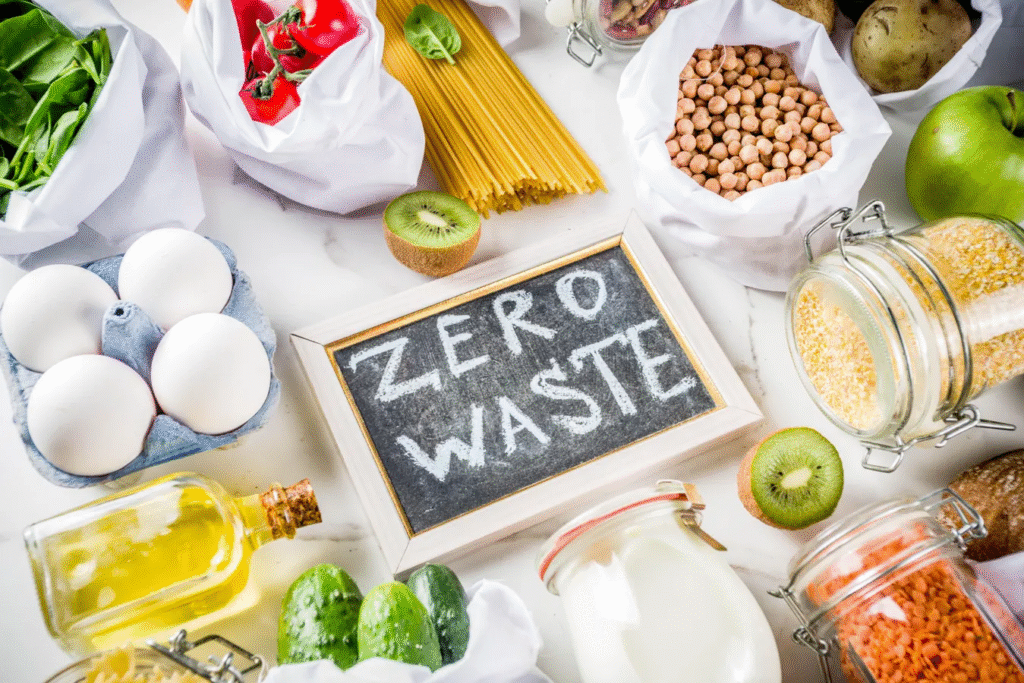
Use Ingredients Before They Expire
Food waste is one of the hidden reasons kitchen expenses increase. Ingredients purchased with good intentions may remain forgotten in refrigerators or cupboards until they are no longer usable.
An organized kitchen makes it easier to identify ingredients that need to be consumed soon. Keep older products at the front and newly purchased items at the back. This simple practice helps encourage timely usage.
A weekly refrigerator check can also prevent food from being wasted.
Ways to reduce food waste:
- Store ingredients according to their recommended conditions.
- Use leftover vegetables in soups, curries, or stir-fries.
- Freeze suitable ingredients before they spoil.
- Prepare smaller portions when necessary.
- Label containers with preparation dates.
- Follow the “first in, first out” storage method.
Turn Leftovers Into New Meals
Leftovers can become useful ingredients for another meal instead of being discarded.
For example, leftover cooked rice can be used in a vegetable fried rice preparation, while extra vegetables may be incorporated into sandwiches, soups, or parathas. Remaining cooked dal can be used creatively in other dishes when stored and handled safely.
| Leftover ingredient | Possible meal idea |
|---|---|
| Cooked rice | Vegetable fried rice |
| Extra vegetables | Soup or stuffed paratha |
| Remaining roti | Roti rolls |
| Cooked dal | Dal paratha or dal soup |
| Bread slices | Toast or bread-based snacks |
| Fresh herbs | Chutney or seasoning |
The key is to store leftovers promptly, refrigerate them appropriately, and reheat them safely before consumption.
Save Electricity While Cooking

Choose Energy-Efficient Cooking Habits
Electricity and fuel consumption can contribute significantly to kitchen expenses. Efficient cooking habits can help reduce energy usage without making meal preparation difficult.
Using the correct cookware size, covering pots with lids, and avoiding unnecessary preheating are simple practices that can improve cooking efficiency.
Energy-saving kitchen tips:
- Use lids while boiling or cooking whenever appropriate.
- Match cookware size to the burner.
- Avoid opening the oven repeatedly during cooking.
- Turn off appliances when they are no longer required.
- Use pressure cookers for suitable dishes.
- Cook multiple items together when practical.
For Indian households, pressure cooking pulses, rice, and other suitable foods can be a convenient way to save cooking time and fuel.
Make Smart Appliance Choices
Energy-efficient appliances can help reduce electricity consumption over their useful life. Before purchasing a new refrigerator, induction cooktop, microwave, or dishwasher, consider its energy rating, capacity, usage requirements, and maintenance costs.
| Appliance | Savings-focused tip |
|---|---|
| Refrigerator | Maintain suitable temperature settings and keep the door closed |
| Induction cooktop | Use compatible cookware and suitable power settings |
| Microwave | Use for appropriate small portions and reheating |
| Mixer grinder | Select the right jar and batch size |
| Dishwasher | Run full loads when practical |
| Electric kettle | Heat only the amount of water needed |
Buying an appliance only because it is discounted may not be the best decision. Evaluate whether it meets your needs and whether the long-term operating cost is reasonable.
Shop for Kitchen Essentials on a Budget
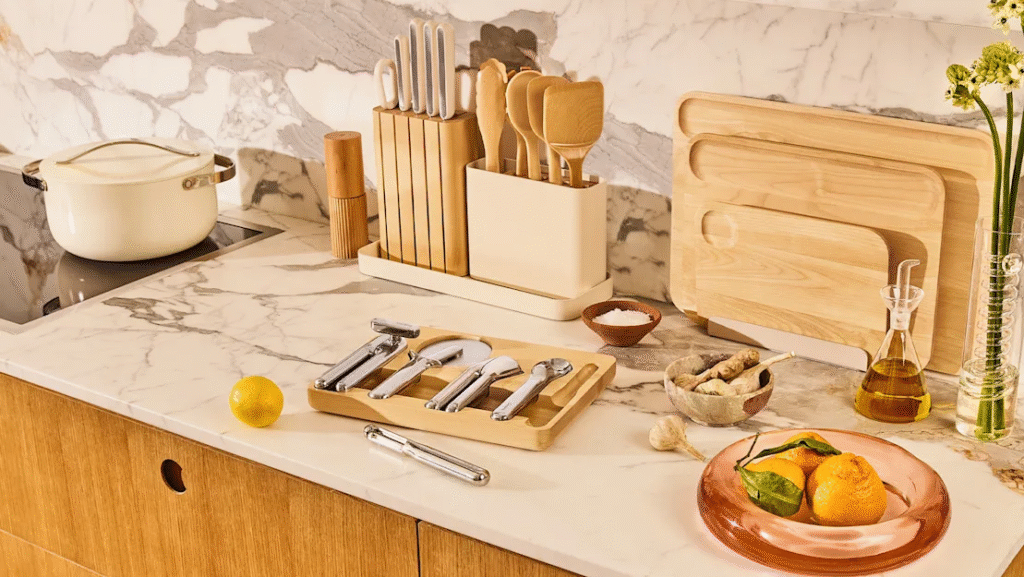
Choose Quality Over Unnecessary Quantity
Kitchen essentials such as cookware, knives, utensils, containers, and cleaning products are useful investments. However, buying too many items can increase expenses and create clutter.
A budget-friendly kitchen focuses on versatile essentials that serve multiple purposes.
Kitchen essentials worth prioritizing:
- A reliable cooking pot and frying pan.
- A good-quality kitchen knife.
- Durable food-storage containers.
- Measuring cups and spoons.
- Basic cooking utensils.
- Reusable cleaning cloths.
- Practical pantry storage solutions.
When choosing kitchen products, compare material quality, durability, ease of cleaning, and warranty information where applicable.
Look for Seasonal Discounts and Offers
Promotional events, festive sales, and online shopping deals can offer opportunities to purchase kitchen essentials at reduced prices.
However, a discount is useful only when the product is genuinely needed. Avoid purchasing extra cookware or appliances merely because a promotion appears attractive.
Smart discount-shopping pointers include:
- Compare prices before and during a sale.
- Check the final price after delivery charges.
- Read customer reviews carefully.
- Verify product specifications.
- Check return policies and warranties.
- Avoid unnecessary bulk purchases.
Organize Your Kitchen for Better Savings
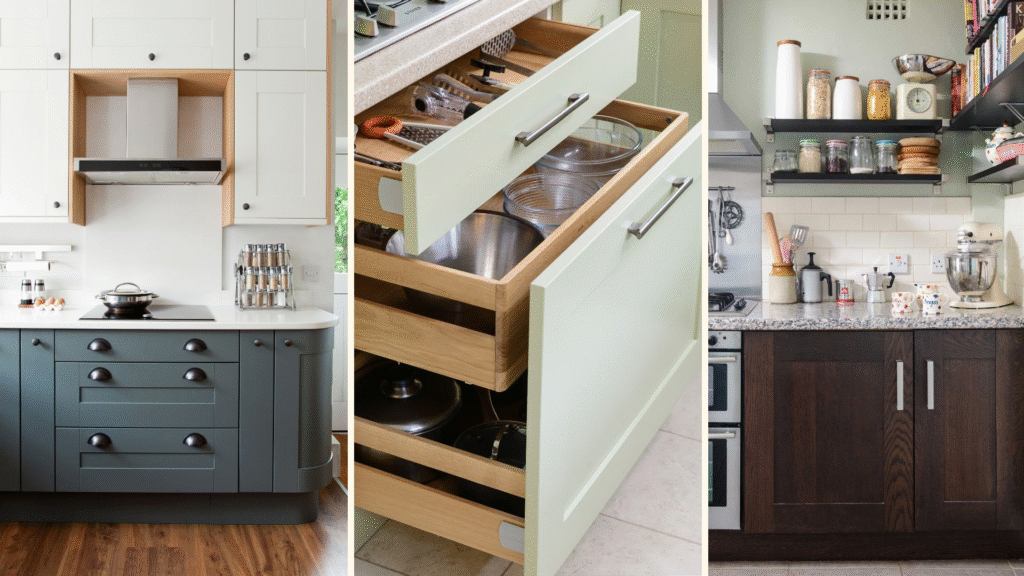
Keep Your Pantry Clean and Organized
An organized kitchen can help you save both money and time. When ingredients are easy to find, you are less likely to purchase duplicates or forget about products stored at the back of cabinets.
Use transparent containers for commonly used ingredients such as rice, flour, pulses, and spices. Label containers clearly and arrange products according to their frequency of use.
Budget-friendly organization ideas:
- Use existing jars instead of buying new storage containers.
- Arrange frequently used ingredients within easy reach.
- Keep a dedicated space for items nearing their expiry date.
- Store dry ingredients in clean, airtight containers.
- Avoid overfilling cabinets with unnecessary products.
Small organizational improvements can make everyday cooking more efficient while helping you manage your kitchen inventory.
Make Use of Affordable Storage Solutions
Expensive kitchen organizers are not always necessary. Reusing suitable containers, baskets, and jars can provide practical storage at a lower cost.
For example, clean glass jars can store spices, while reusable containers can help organize snacks and dry ingredients. The most important factor is selecting storage solutions that are safe, durable, and easy to maintain.
Cook at Home More Frequently

Prepare Simple and Budget-Friendly Meals
Cooking at home can be an effective way to manage food expenses. Restaurant meals, frequent food deliveries, and packaged convenience foods may cost more than preparing similar meals using ingredients purchased strategically.
Home cooking also gives you greater control over portion sizes, ingredients, and meal planning.
Some economical meal ideas include:
- Vegetable pulao.
- Dal and rice.
- Seasonal vegetable curry.
- Homemade sandwiches.
- Khichdi.
- Roti with seasonal vegetables.
- Homemade soups.
- Simple breakfast dishes.
The goal is not to prepare complicated meals every day. Instead, focus on easy recipes that use affordable ingredients and fit your routine.
Prepare Meals in Batches
Batch cooking involves preparing larger quantities of selected ingredients or meals in one cooking session. This can help reduce repeated preparation work and make busy weekdays easier.
For example, you can prepare suitable ingredients in advance, wash and chop vegetables, or cook a batch of dal for planned meals.
Store prepared foods safely in appropriate containers and refrigerate or freeze them as needed. Avoid keeping cooked food at room temperature for extended periods.
Use Seasonal Ingredients for Better Value
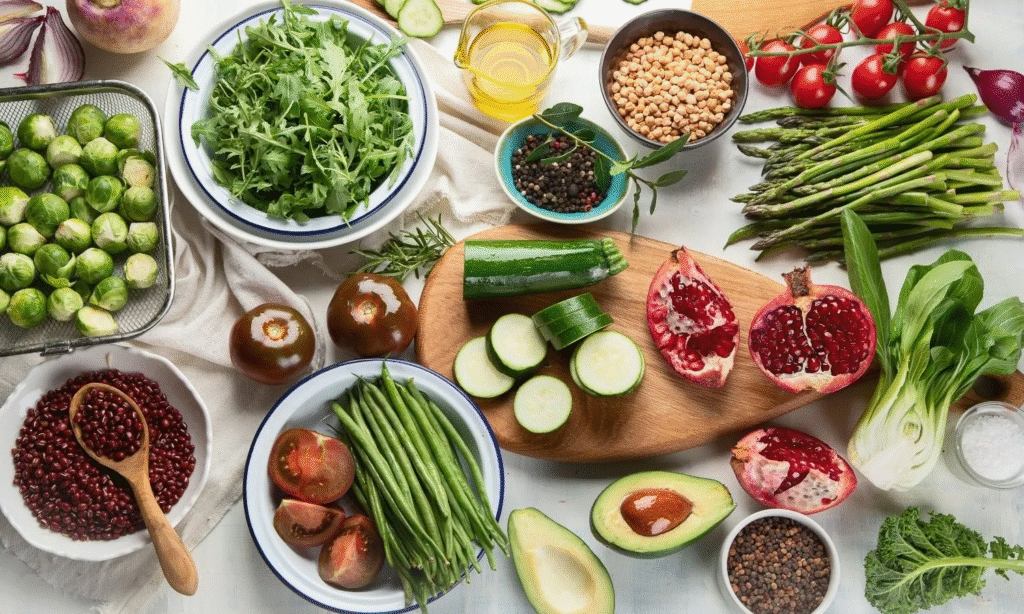
Choose Fruits and Vegetables According to the Season
Seasonal produce is often more affordable and readily available than products that are out of season. Choosing locally available ingredients can also help you create fresh and varied meals.
Instead of purchasing the same vegetables every week, explore different seasonal options.
| Seasonal shopping habit | Benefit |
|---|---|
| Buy locally available produce | May offer better prices |
| Choose seasonal vegetables | Supports variety in meals |
| Plan recipes around market prices | Helps control grocery costs |
| Purchase appropriate quantities | Reduces food waste |
| Compare fresh and frozen options | Helps find practical value |
Seasonal shopping can make meals more interesting while helping you manage your grocery budget.
Create a Monthly Kitchen Savings Budget

Track Your Kitchen Expenses
A monthly kitchen budget helps you understand how much you spend on groceries, cooking fuel, appliances, cleaning products, and food deliveries.
Tracking expenses can reveal patterns that may otherwise go unnoticed. For example, frequent small grocery orders or unnecessary snack purchases may contribute significantly to monthly spending.
A simple kitchen budget can include the following categories:
| Expense category | Monthly budget example |
|---|---|
| Groceries | ₹4,000 |
| Fruits and vegetables | ₹1,500 |
| Cooking fuel | ₹800 |
| Kitchen cleaning supplies | ₹400 |
| Snacks and beverages | ₹700 |
| Miscellaneous kitchen expenses | ₹600 |
| Total example budget | ₹8,000 |
These figures are illustrative only. Actual expenses will depend on household size, location, food preferences, and consumption habits.
Review Your Spending Regularly
At the end of each month, compare your planned budget with your actual expenses. Identify areas where spending increased and consider practical adjustments.
You can also maintain a simple spreadsheet or use a budgeting application to track purchases.
Practical Kitchen Savings Checklist
Developing a few consistent habits can make kitchen savings easier to maintain.
- Plan meals before grocery shopping.
- Check pantry supplies regularly.
- Compare prices and unit costs.
- Buy seasonal fruits and vegetables.
- Use leftovers safely.
- Reduce food waste.
- Switch off unused appliances.
- Maintain kitchen equipment.
- Avoid impulse purchases.
- Track monthly expenses.
- Choose durable kitchen essentials.
- Prepare more meals at home.
These habits are simple, but their combined impact can help improve household spending over time.

Software Deals 2026: Save More on Essential Digital Tools
In today’s digital world, software has become an essential part Software Deals 2026: Save More…

Fashion 2026: Discover Trends and Elevate Your Style
Fashion is more than clothing—it is a powerful way to express personality, creativity, confidence, and…
Kitchen Savings 2026: Smart Ways to Save on Kitchen Essentials
The kitchen is one of the most important spaces Kitchen Savings in every home, but…

Discover the Latest Trends, Styles and Outfit Ideas
Fashion is more than just Discover choosing what to wear. It is a powerful form…

Top Deals 2026: Best Offers, Discounts and Smart Shopping Tips
Shopping has become more exciting Top Deals with the growing availability of online discounts, seasonal…

Travel Deals 2026: Save More on Your Next Trip
Travel doesn’t have to be expensive to be memorable. Whether you’re dreaming of a relaxing…
Frequently Asked Questions (FAQs)
1. How can I save money in my kitchen every month?
Plan meals, compare grocery prices, reduce food waste, cook at home, and monitor monthly expenses.
2. What is the best way to reduce grocery costs?
Create a shopping list, buy seasonal ingredients, compare unit prices, and avoid unnecessary purchases.
3. How can I save electricity in the kitchen?
Use energy-efficient appliances, cover cooking pots, choose suitable cookware, and switch off appliances when not in use.
4. Are bulk grocery purchases always cheaper?
No. Bulk purchases are beneficial only when the products are used before they expire and the unit price is genuinely lower.
5. How can I reduce food waste at home?
Store ingredients correctly, use older items first, plan meals, and repurpose suitable leftovers.