
The kitchen is one of the busiest spaces in any home, but it can Kitchen Savings also become one of the easiest places to overspend. From groceries and cookware to appliances, cleaning products, and everyday essentials, small purchases can quickly add up.
The good news is that saving money in the kitchen does not mean giving up quality or convenience. With smarter shopping habits, better meal planning, and a little attention to energy and food waste, you can lower your kitchen costs without making everyday life harder.
In 2026, kitchen savings are increasingly about making thoughtful choices rather than simply looking for the cheapest option. Buying what you actually need, comparing prices, using what you already have, and choosing products that last can make a noticeable difference over time.
Why Kitchen Costs Add Up

Kitchen spending often comes from several areas at once. A weekly grocery trip might include food, drinks, snacks, cleaning supplies, and household products. On top of that, there are occasional expenses such as cookware, small appliances, storage containers, and replacements.
Some of the biggest sources of kitchen spending include:
- Groceries and everyday food
- Kitchen appliances
- Cookware and utensils
- Cleaning products
- Food storage
- Takeaway and delivery
- Electricity and water usage
- Food waste
The key is to look at the kitchen as a complete spending category rather than focusing on just one expense.
Start With a Simple Kitchen Budget
Before trying to save money, understand where your money is going.
You do not need a complicated spreadsheet. A simple monthly record of grocery spending, kitchen purchases, takeaways, and household supplies can reveal patterns that are easy to miss.
For example, you may discover that frequent small grocery trips are costing more than planned or that you are repeatedly buying ingredients that eventually go unused.
A Simple Monthly Breakdown
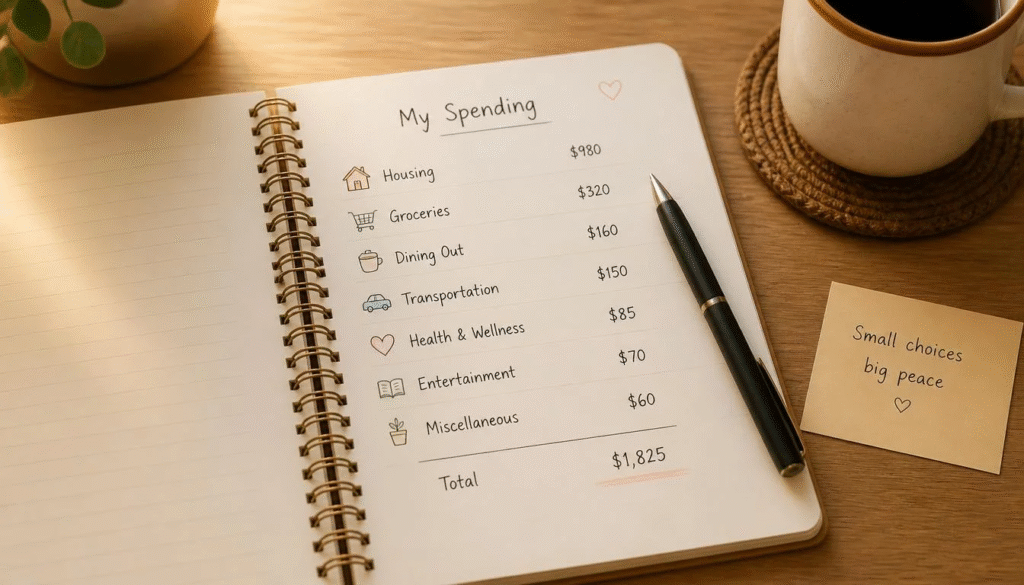
| Category | What to Track |
|---|---|
| Groceries | Food, drinks and ingredients |
| Kitchen Supplies | Storage, utensils and cleaning items |
| Appliances | New or replacement appliances |
| Takeaway | Delivery and restaurant meals |
| Utilities | Electricity and water used in the kitchen |
| Food Waste | Unused or expired ingredients |
Once you know your spending habits, it becomes easier to decide where savings can actually be made.
Plan Meals Before Shopping
One of the easiest ways to reduce grocery costs is to plan meals before going to the store.
Instead of walking through the aisles and buying whatever looks appealing, decide what you are likely to cook during the week.
Meal planning can help you:
- Buy only necessary ingredients
- Use ingredients across multiple meals
- Reduce impulse purchases
- Avoid duplicate items
- Make better use of leftovers
You do not need to plan every meal perfectly. Even having a rough idea of four or five meals can make grocery shopping more focused.
Check What You Already Have

Before making a shopping list, take a quick look inside your refrigerator, freezer, and pantry.
It is surprisingly common to buy something that is already sitting at the back of a cupboard.
Try organizing food so that older items are easier to see. This simple habit can help prevent ingredients from being forgotten until they expire.
Try a “Use First” Section
Keep products that need to be used soon in one visible area of your refrigerator or pantry.
This makes it easier to build meals around ingredients that are already available rather than buying something new.
Shop With a List
A shopping list is one of the simplest money-saving tools available.
The important part is actually following it.
A list gives you a clear purpose when you enter the store and makes it easier to avoid unnecessary purchases. If you shop online, the same principle applies: add what you need first and review your cart before checking out.
A Better Shopping List
Instead of writing:
Vegetables
Try:
2 tomatoes, 1 cucumber, 1 bag of spinach
Being specific can reduce the chance of buying more than you need.
Compare Prices Before Buying
The cheapest-looking product is not always the best value. Compare the price per unit, size, quantity, and expected usage before deciding.
For example, a larger package may appear cheaper but could become wasteful if you cannot use it before it expires.
Similarly, a slightly more expensive kitchen tool may be better value if it lasts significantly longer.
Think About Value, Not Just Price

A useful question is:
“How much use will I get from this?”
A low-cost item that breaks quickly may cost more in the long run than a reliable product that lasts for years.
Use Store Brands When Appropriate
Store-brand products can be an easy way to reduce grocery and household spending.
For everyday basics such as flour, sugar, rice, canned goods, cleaning products, and certain pantry staples, comparing store-brand and branded options can reveal meaningful price differences.
However, the best choice depends on the individual product. Compare ingredients, quantity, quality, and price instead of assuming one category is always better.
Reduce Food Waste
Food waste is essentially money going into the bin.
If you regularly throw away unused vegetables, leftovers, bread, or expired ingredients, reducing waste can create savings without changing how much food you buy.
Simple Ways to Waste Less
Freeze what you will not use soon. Many foods can be frozen before they spoil.
Use leftovers creatively. Yesterday’s roasted vegetables can become part of a sandwich, wrap, soup, or rice dish.
Store food properly. Good storage can help ingredients stay fresh for longer.
Understand dates. Learn the difference between different types of food date labels and use your judgment appropriately.
Cook realistic portions. Preparing too much food can lead to unnecessary waste.
Save Money on Kitchen Appliances
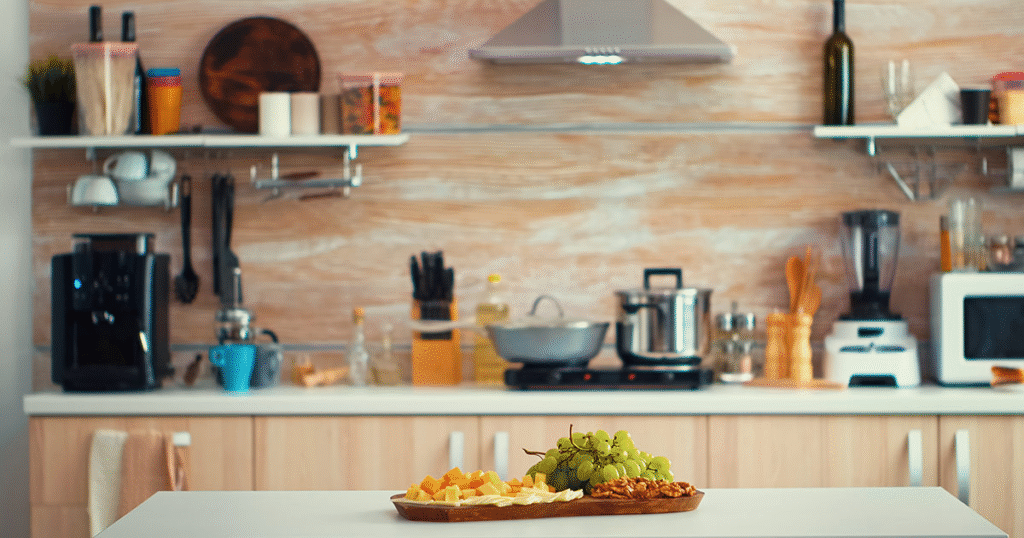
Kitchen appliances can be a significant expense, so avoid replacing them simply because a newer model has appeared.
Before buying an appliance, consider:
- How frequently you will use it
- Whether you already own something that performs the same task
- Energy consumption
- Maintenance requirements
- Warranty and durability
- Available space
Sometimes the best kitchen saving is simply not buying another appliance.
Choose Multi-Purpose Appliances
If you are buying something new, consider whether it can perform several useful functions.
A versatile appliance may take the place of multiple single-purpose products, reducing both purchase costs and storage requirements.
However, do not buy a multifunction appliance solely because it offers many features. Choose one that actually matches your cooking habits.
Save on Kitchen Energy Costs
Your kitchen can use a considerable amount of electricity, particularly when multiple appliances are used regularly.
Small habits can help reduce unnecessary energy consumption.
For example:
- Avoid opening the oven repeatedly while cooking.
- Use appropriately sized cookware for burners.
- Turn appliances off when they are not needed.
- Keep refrigerator doors closed as much as possible.
- Use energy-efficient settings when available.
- Cook multiple items together when practical.
The savings from individual actions may seem small, but repeated habits can add up over time.
Make Better Use of Leftovers

Leftovers do not have to feel repetitive.
A little creativity can turn yesterday’s meal into something that feels completely different.
For example:
Roasted vegetables → Wrap or grain bowl
Cooked chicken → Sandwich, salad or pasta
Rice → Fried rice or rice bowl
Pasta → Cold pasta salad
Extra vegetables → Soup or omelet
This approach reduces food waste while also saving the time and money required to prepare another meal from scratch.
Buy Kitchen Essentials With a Long-Term Mindset
When purchasing cookware, knives, storage containers, or utensils, think beyond the initial price.
Look for products that are practical, durable, easy to clean, and suitable for regular use.
You do not need the most expensive kitchen equipment. The goal is to avoid repeatedly replacing poor-quality products.
Ask These Questions Before Buying
- Will I use this regularly?
- Do I already own something similar?
- Is it easy to maintain?
- Is the quality appropriate for the price?
- Will it still be useful a year from now?
If you cannot answer these questions positively, consider waiting before purchasing.
Take Advantage of Sales Carefully
Sales can be useful, but discounts can also encourage unnecessary spending.
A product being marked “50% off” does not automatically make it a good purchase.
Before buying something on sale, ask:
“Would I buy this if it were not discounted?”
If the answer is no, the discount may not actually be saving you money.
Create a Kitchen Deal List
Instead of shopping every sale, keep a list of products you genuinely need.
When those products go on sale, you can compare the deal with your usual price and decide whether buying now makes sense.
Reduce Takeaway Spending
Eating out or ordering delivery can become one of the biggest hidden kitchen expenses.
You do not have to stop completely. Even reducing the number of takeaway meals each month can make a difference.
Try keeping a few quick meals available for busy days. Simple options such as pasta, eggs, sandwiches, frozen vegetables, or rice-based meals can reduce the temptation to order food when you are short on time.
Organize Your Kitchen to Save Money
Good organization can help you see what you own and prevent unnecessary purchases.
Clear containers, labeled shelves, and organized drawers can make everyday ingredients easier to find.
A well-organized kitchen also makes cooking feel easier, which can encourage you to prepare food at home more often.
Follow the “See It, Use It” Rule
If you can easily see your ingredients, you are more likely to remember them.
Keep frequently used items within easy reach and place less-used products in clearly organized storage areas.
Be Careful With Subscription Purchases
Some kitchen products are easy to purchase through recurring deliveries, including coffee, snacks, cleaning supplies, and other household essentials.
Subscriptions can be convenient, but they can also result in products arriving before you actually need them.
Review recurring purchases regularly and cancel anything that no longer makes sense.
Small Savings Can Become Big Savings
Kitchen savings do not always come from one major change.
Imagine saving a small amount by reducing food waste, another amount by planning grocery trips, and more by cutting unnecessary takeaway orders. Individually, these changes may seem minor.
Together, they can create a meaningful difference over a year.
The goal is not to make the kitchen feel restrictive. It is to make spending more intentional.

Fashion 2026: Explore New Trends & Timeless Styles
Fashion is constantly changing, but great style does not always depend on following every new…

Travel Deals 2026: Find Great Savings on Your Next Trip
Travel does not always have to come with a huge price tag. With a little…

Kitchen Savings 2026: Easy Ways to Lower Kitchen Costs
The kitchen is one of the busiest spaces in any home, but it can Kitchen…

Trending Fashion 2026: New Styles, Outfits & Fashion Ideas
Fashion in 2026 focuses less on following every trend and more on Trending toward finding…

Best Travel Deals 2026: Affordable Holidays, Flights & Hotel Offers
Let’s be honest for a second: we all love the feeling of stepping Best Travel…

Best Holiday Deals 2026: Affordable Trips & Travel Offers
Airlines and hotel chains use dynamic pricing Best Holiday Deals algorithms designed to squeeze as…