
Fashion is constantly changing, but great style does not always depend on following every new trend. Each season brings fresh colors, silhouettes, fabrics, and outfit ideas, while classic pieces continue to remain useful year after year.
Fashion 2026 is about exploring new trends while finding a personal style that feels comfortable, practical, and authentic. Whether you enjoy minimalist outfits, streetwear, classic looks, or experimental styles, there are plenty of ways to refresh your wardrobe without completely starting over.
What Is Fashion in 2026?
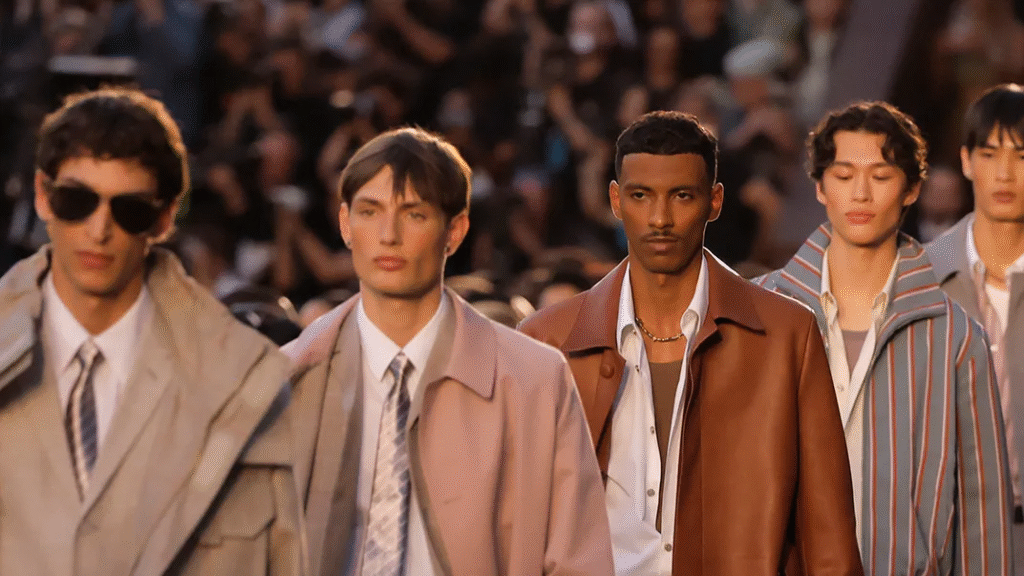
Modern fashion is becoming more flexible and personal. People are mixing seasonal trends with pieces they already own, creating outfits that work for different occasions and lifestyles.
Instead of following one fixed aesthetic, many shoppers are exploring different styles and choosing pieces based on comfort, versatility, quality, and personal preference.
This makes fashion less about following strict rules and more about finding combinations that work for you.
Fashion Trends to Explore
Fashion trends can provide inspiration for updating your wardrobe. Some trends may become popular for a season, while others can remain relevant for much longer.
| Fashion Area | What to Explore |
|---|---|
| Everyday Wear | Comfortable and versatile outfits |
| Streetwear | Relaxed silhouettes and casual layers |
| Minimalist Style | Simple colors and clean designs |
| Occasion Wear | Polished outfits for special events |
| Accessories | Bags, shoes, jewelry, and statement pieces |
| Sustainable Fashion | Reusable, durable, and mindful wardrobe choices |
Mixing Trends With Timeless Style
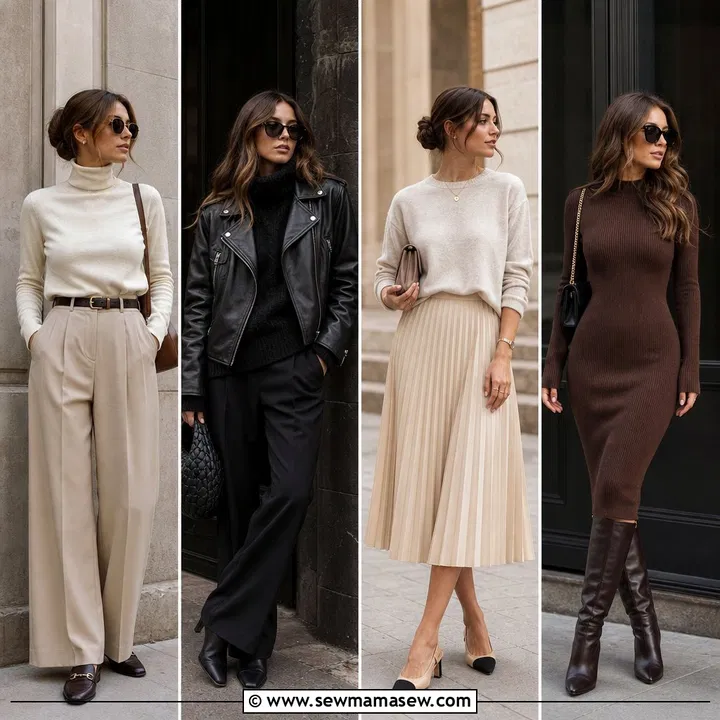
One of the easiest ways to experiment with fashion is to combine a trendy item with classic wardrobe staples.
For example, a seasonal jacket can be paired with simple trousers, or a current footwear trend can be styled with a timeless outfit.
This approach allows you to explore what’s new without building an entirely trend-focused wardrobe.
A simple styling formula:
Classic base + Trend-focused piece + Useful accessory = Fresh everyday look
It keeps an outfit current while still feeling wearable.
Building a Versatile Wardrobe
A versatile wardrobe does not need to contain hundreds of pieces. A smaller collection of clothing that can be combined in different ways can often make everyday styling easier.
Useful wardrobe staples may include:
- A well-fitting pair of jeans or trousers
- Neutral tops
- A versatile jacket or outer layer
- Comfortable everyday shoes
- A simple dress or occasion-ready outfit
- Practical accessories
The exact pieces depend on your lifestyle, climate, work environment, and personal style.
Fashion Colors and Seasonal Changes
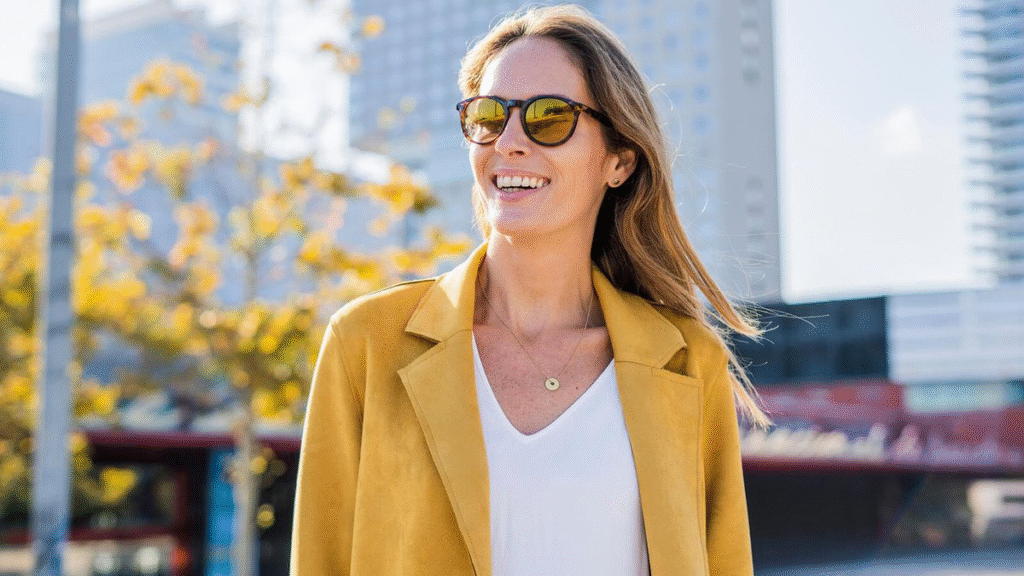
Colors often change with seasons and fashion cycles. Some years bring bright and expressive shades, while others highlight softer or more neutral palettes.
Rather than replacing your wardrobe whenever colors change, you can introduce seasonal shades through smaller pieces such as:
Scarves → Bags → Shoes → Jewelry → Tops → Outerwear
This can refresh your outfits without requiring a complete wardrobe update.
Comfortable Fashion Is Here to Stay
Comfort has become an important part of everyday style. People increasingly want clothes that look good while also allowing them to move comfortably through work, travel, social events, and daily activities.
Relaxed silhouettes, breathable materials, practical footwear, and flexible layering can make outfits easier to wear throughout the day.
Comfort does not have to mean sacrificing style. The right fit, proportions, and accessories can make even simple outfits look polished.
Sustainable Fashion Choices
Sustainability is becoming an important consideration for many fashion shoppers. Instead of constantly purchasing new clothes, people can focus on buying fewer pieces, choosing durable products, repairing clothing, and reusing items in different combinations.
More mindful fashion habits include:
- Buy pieces you can style in multiple ways.
- Choose quality when it makes sense for your budget.
- Take care of clothes to extend their lifespan.
- Rewear and restyle existing pieces.
- Consider second-hand or pre-owned options.
Sustainable fashion does not require perfection. Even small changes can encourage more thoughtful consumption.
Shopping Smarter for Fashion
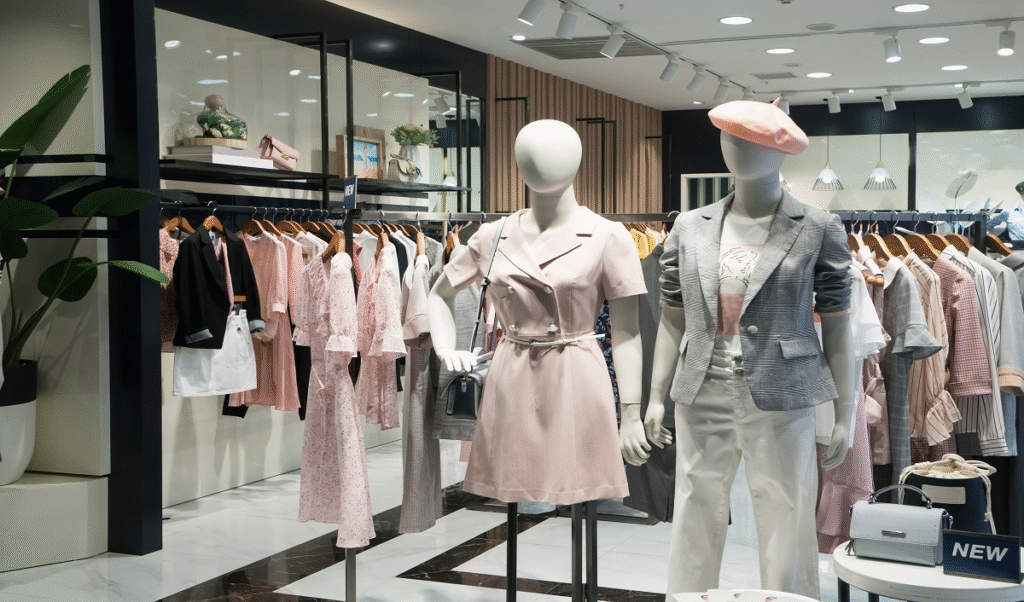
With countless online stores and fashion brands available, shopping can become overwhelming. A product may look appealing in a photograph but feel different once you consider its material, fit, sizing, or quality.
Before purchasing, check the product details and think about how the item will work with the clothes you already own.
Before buying, ask:
Will I wear it often?
Can I style it in different ways?
Does it fit my existing wardrobe?
Is the quality appropriate for the price?
These questions can help reduce impulse purchases and make your wardrobe more useful.
Fashion for Different Occasions
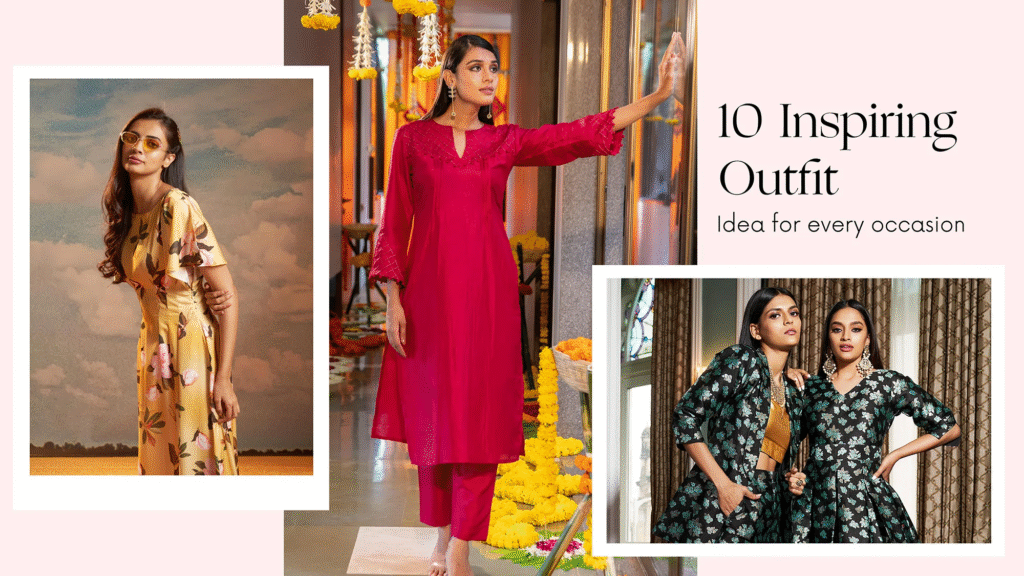
A good wardrobe should support different parts of your lifestyle.
Casual Style
Everyday outfits can focus on comfort and versatility. Jeans, relaxed trousers, basic tops, sneakers, and lightweight layers can create simple combinations.
Workwear
Professional clothing can range from traditional formalwear to smart-casual styles. The right choice depends on the workplace and its dress expectations.
Occasion Wear
Special events provide an opportunity to experiment with more polished silhouettes, colors, fabrics, and accessories.
Travel Style
Travel outfits often need to balance comfort, practicality, and style. Layering pieces and versatile shoes can be particularly useful when packing.
Accessories Can Transform an Outfit
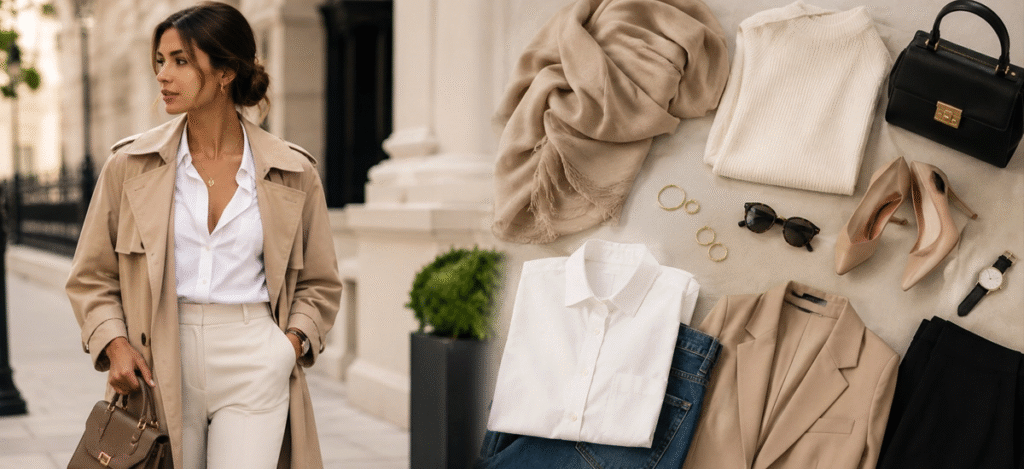
Accessories are one of the simplest ways to change an outfit without buying completely new clothing.
A different bag, pair of shoes, belt, watch, scarf, or jewelry can create a noticeably different look using the same basic outfit.
This makes accessories a practical way to experiment with trends while keeping your core wardrobe relatively timeless.
Finding Your Personal Style
Fashion trends can provide ideas, but personal style develops through experimentation.
Pay attention to the colors, silhouettes, fabrics, and outfits you naturally enjoy wearing. Over time, patterns will become clear.
You may discover that your style is mostly minimalist, casual, classic, sporty, creative, or a combination of several aesthetics.
There is no requirement to fit into one category.
Fashion on Different Budgets
Looking stylish does not necessarily require an expensive wardrobe. The key is to prioritize pieces based on how often you will use them and how easily they can work with other items.
| Budget Focus | Smart Approach |
|---|---|
| Low Budget | Prioritize versatile basics and accessories |
| Mid-Range | Balance quality, design, and versatility |
| Premium | Focus on craftsmanship, durability, and long-term use |
A higher price should not automatically be treated as better value. Consider the product’s quality, usefulness, and expected lifespan.
The Future of Fashion
Fashion continues to evolve through changing consumer preferences, technology, sustainability, and new forms of self-expression.
Digital shopping, virtual styling, personalized recommendations, and new approaches to production are changing how people discover and purchase clothing.
At the same time, timeless ideas such as good fit, comfort, versatility, and personal expression remain important.
Fashion 2026: Explore New Trends & Timeless Styles
Fashion is constantly changing, but great style does not always depend on following every new…

Travel Deals 2026: Find Great Savings on Your Next Trip
Travel does not always have to come with a huge price tag. With a little…
Kitchen Savings 2026: Easy Ways to Lower Kitchen Costs
The kitchen is one of the busiest spaces in any home, but it can Kitchen…
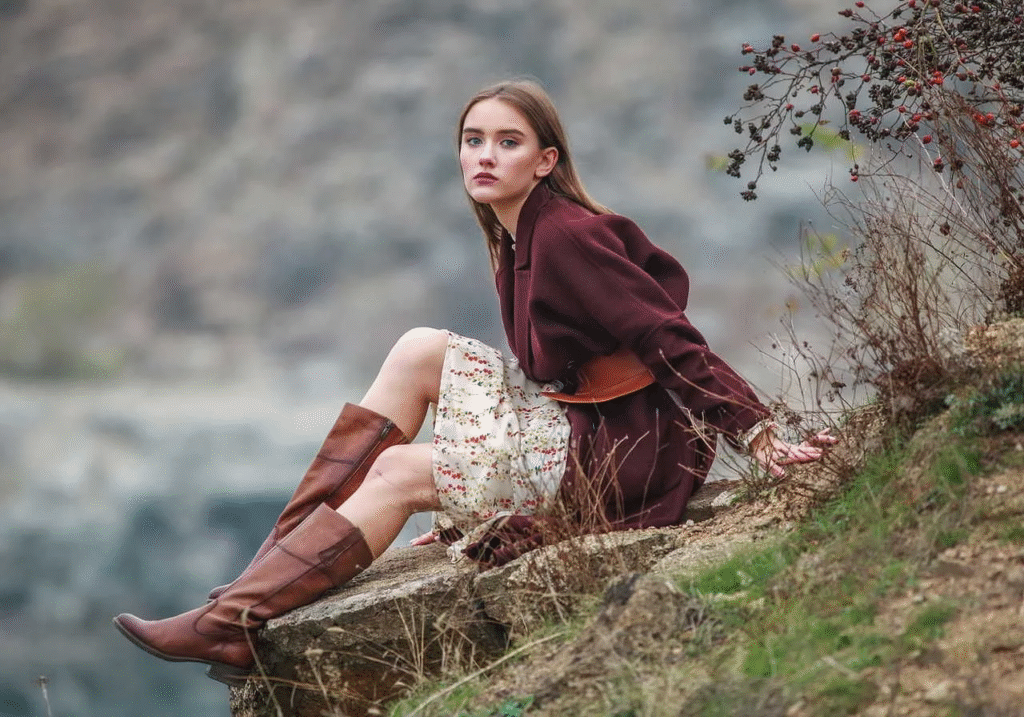
Trending Fashion 2026: New Styles, Outfits & Fashion Ideas
Fashion in 2026 focuses less on following every trend and more on Trending toward finding…
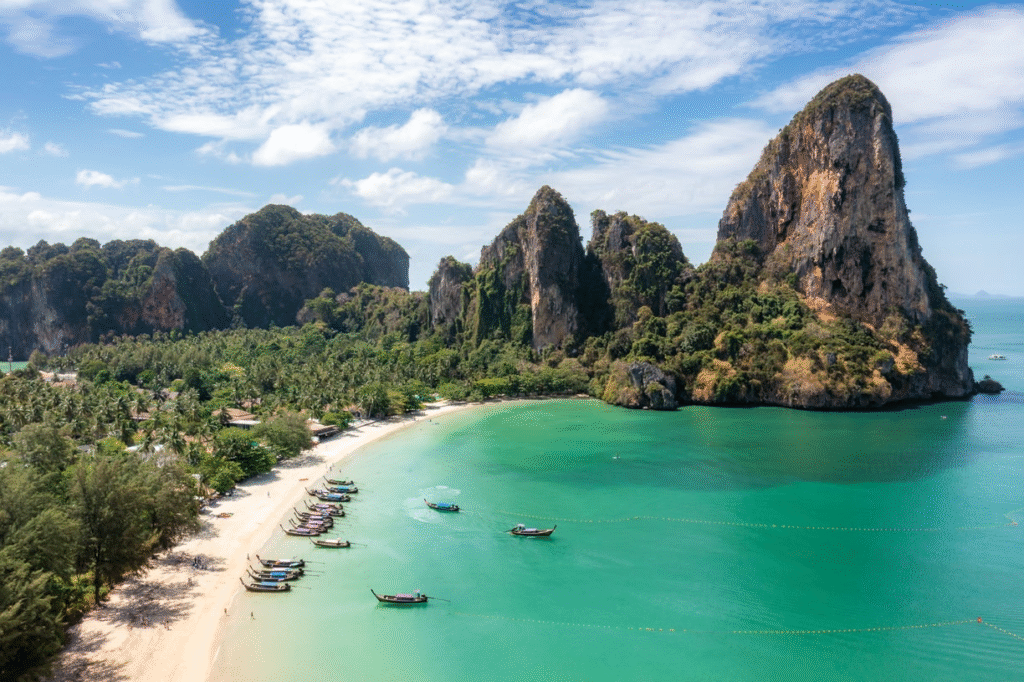
Best Travel Deals 2026: Affordable Holidays, Flights & Hotel Offers
Let’s be honest for a second: we all love the feeling of stepping Best Travel…
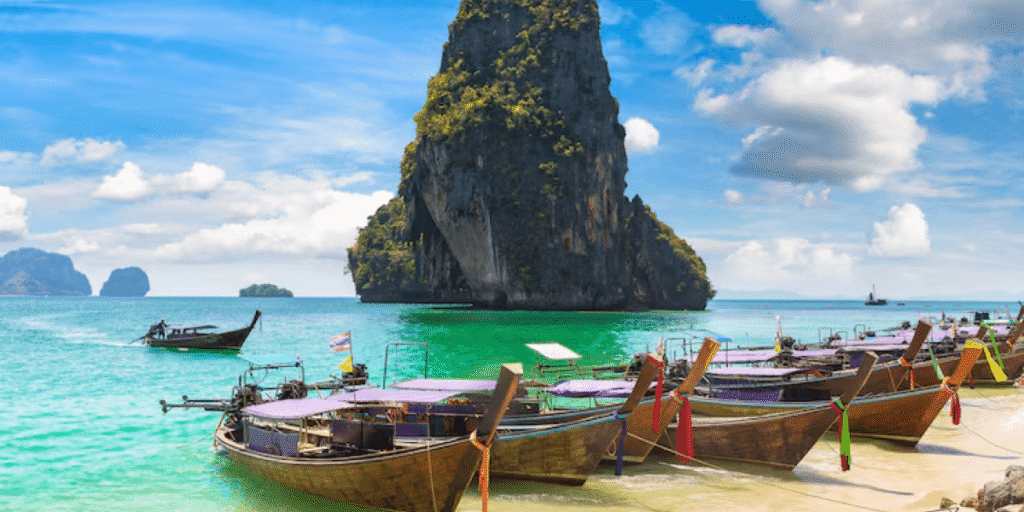
Best Holiday Deals 2026: Affordable Trips & Travel Offers
Airlines and hotel chains use dynamic pricing Best Holiday Deals algorithms designed to squeeze as…