
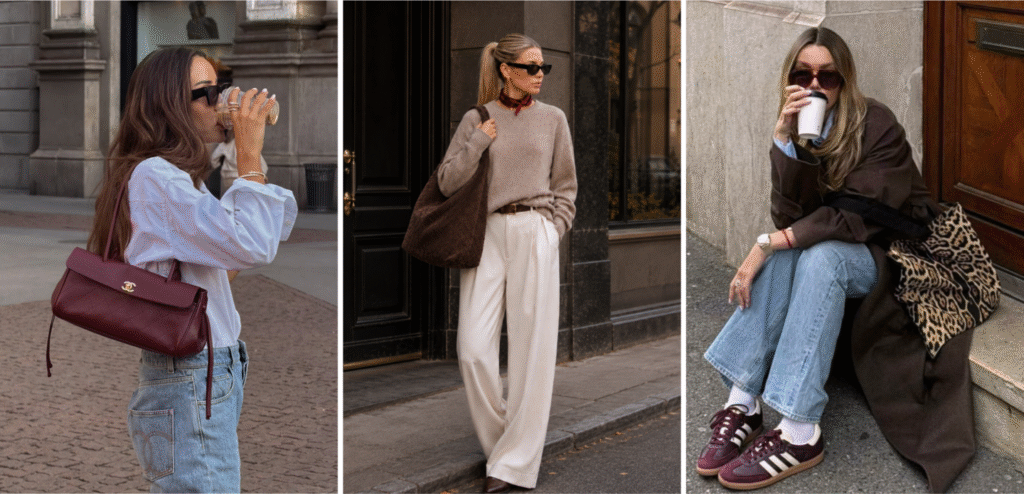
Fashion is more than simply choosing what to wear. It is a way to express your personality, reflect your mood, and feel confident in your own skin. From timeless denim and comfortable everyday outfits to bold accessories and modern silhouettes, fashion gives everyone an opportunity to create a style that feels uniquely their own.
In 2026, personal style is all about finding the right balance between comfort, creativity, and individuality. People are exploring versatile wardrobes, experimenting with colors, mixing classic pieces with contemporary designs, and choosing clothes that work for different occasions. Instead of following every trend, many fashion lovers are focusing on outfits that look good, feel comfortable, and suit their lifestyles.
Whether you enjoy minimalist clothing, streetwear, elegant occasionwear, or relaxed casual looks, understanding fashion basics can help you make smarter wardrobe choices. You do not need an expensive wardrobe to look stylish. With thoughtful combinations, suitable accessories, and a little creativity, even simple clothing can create a memorable outfit.
1. Understanding Modern Fashion and Personal Style
Fashion constantly evolves, influenced by culture, social media, designers, celebrities, and changing lifestyles. However, personal style is what makes an outfit feel individual. Two people can wear similar clothes and create completely different looks through their choice of colors, accessories, footwear, and styling.

Why Does Fashion Matter?
Fashion can influence how people present themselves and how comfortable they feel in different situations. A well-planned outfit can help you feel prepared for a meeting, relaxed during a casual outing, or confident at a special event.
It also provides room for experimentation. You can try a new color combination, style an old jacket differently, or combine traditional clothing with contemporary accessories. These small changes can refresh your appearance without requiring an entirely new wardrobe.
The secret to great style is choosing clothes that suit your personality, lifestyle, comfort, and budget. Trends can provide inspiration, but your wardrobe should reflect what you genuinely enjoy wearing.
Fashion Trends Versus Personal Style
Fashion trends are popular looks that gain attention during a particular period, while personal style refers to the clothing choices you consistently enjoy. Understanding the difference helps you decide which trends are worth trying.
For example, oversized shirts may be popular, but you can style one with fitted trousers, relaxed jeans, or a skirt depending on your preferences. You do not need to copy an entire runway look to incorporate a trend into your everyday wardrobe.
2. Fashion Trends and Outfit Ideas to Explore in 2026
Fashion offers countless ways to experiment, but a few broad styling directions are especially useful when building contemporary outfits. Think of these as inspiration rather than strict rules.

Minimalist and Timeless Clothing
Minimalist fashion focuses on clean silhouettes, versatile colors, and uncomplicated combinations. White shirts, tailored trousers, simple dresses, neutral knitwear, and structured jackets can create outfits that work across multiple occasions.
The advantage of a minimalist wardrobe is versatility. A white shirt can look professional with tailored pants, relaxed with denim, or elegant when paired with a skirt and refined accessories.
Relaxed Silhouettes and Comfortable Fits
Comfort continues to play an important role in everyday dressing. Relaxed shirts, wide-leg trousers, loose denim, soft knitwear, and easy-fitting dresses offer flexibility while allowing plenty of styling possibilities.
To create a balanced outfit, experiment with proportions. Pair wide-leg trousers with a fitted top, or wear an oversized shirt with a more structured bottom. However, if you prefer an entirely relaxed silhouette, you can embrace that look too.
Denim for Everyday Styling
Denim remains one of the most adaptable wardrobe staples. Straight-leg jeans, wide-leg cuts, denim jackets, skirts, and shirts can be styled throughout the year.
For a casual look, combine jeans with sneakers and a basic T-shirt. For a smarter appearance, choose a well-fitting denim style with a tailored jacket, loafers, or ankle boots.
Statement Accessories
Accessories can transform an outfit without changing the main clothing pieces. A structured handbag, bold earrings, a belt, sunglasses, or a scarf can add personality to an otherwise simple combination.
The key is to choose accessories that complement the outfit rather than compete with every other element.
| Fashion direction | Pieces to try | Styling idea |
|---|---|---|
| Minimalist | White shirt, tailored trousers | Add loafers and a simple bag |
| Casual streetwear | Relaxed jeans, graphic tee | Pair with sneakers and a cap |
| Smart casual | Blazer, straight-leg trousers | Add a basic top and refined footwear |
| Feminine everyday style | Midi skirt, fitted top | Finish with flats or sandals |
| Layered outfits | Jacket, knitwear, long-sleeved top | Experiment with textures |
| Statement styling | Bold accessories, colorful pieces | Keep the rest of the outfit balanced |
3. How to Build a Versatile Wardrobe
A stylish wardrobe does not need to contain hundreds of items. In many cases, having a smaller collection of clothes that work well together makes everyday dressing easier.

Start With Essential Clothing Pieces
Begin by identifying the items you wear most frequently. Depending on your lifestyle, these might include comfortable jeans, basic tops, a versatile jacket, everyday footwear, a few workwear pieces, and clothing suitable for special occasions.
Choose items that can be combined in several ways. For example, a neutral blazer can complement jeans, tailored trousers, dresses, or skirts. This flexibility helps you create more outfits from fewer pieces.
Choose Colors That Work Together
A coordinated color palette makes it easier to mix and match clothing. Neutral shades such as black, white, beige, navy, and grey can provide a foundation, while brighter colors add personality.
You do not need to limit yourself to neutrals. If you love green, red, pink, or blue, incorporate those shades into your wardrobe. The goal is to choose colors that you enjoy wearing and can combine comfortably.
Prioritize Fit and Fabric
Clothing should feel comfortable and suit the way you want to wear it. Consider the fit around the shoulders, waist, hips, and overall length. A simple garment that fits well can often look more polished than an expensive item that feels uncomfortable.
Fabric matters too. Cotton, linen, denim, wool, and synthetic blends each have different properties. Consider the climate, care instructions, durability, and intended use before purchasing.
A Practical Wardrobe Checklist
- Everyday tops that work with several bottoms.
- Jeans or trousers suited to your preferred fit.
- Comfortable footwear for regular activities.
- One or two layers for changing weather.
- Clothing for work, celebrations, or other specific needs.
- Accessories that refresh existing outfits.
Important pointer: Before buying something new, check whether it matches at least two or three items you already own. This simple habit can reduce impulse purchases and help you build a more useful wardrobe.
4. How to Style Outfits for Different Occasions
The same clothing item can create very different looks depending on how you style it. Understanding a few simple combinations makes it easier to dress for everyday activities, professional settings, and special events.

Casual Everyday Outfits
For a relaxed day, choose clothing that allows you to move comfortably. Jeans with a T-shirt, a casual dress with sneakers, or relaxed trousers with a lightweight shirt are easy combinations.
Small details can make these outfits feel more intentional. Try rolling up your sleeves, coordinating your shoes with your bag, or adding a simple necklace or watch.
Office and Smart-Casual Styling
Professional dressing does not always require formal suits. Tailored trousers, a clean shirt, a structured blazer, a simple dress, or a polished knit top can create a smart-casual appearance.
Choose footwear and accessories according to your workplace requirements. Comfort is particularly important if you spend long hours standing, walking, or commuting.
Party and Special-Occasion Fashion
Special occasions provide an opportunity to experiment with richer colors, interesting textures, statement accessories, and more distinctive silhouettes. Depending on the event, you might choose an elegant dress, a coordinated suit, a traditional outfit, or a contemporary combination.
Consider the venue, weather, dress code, and amount of movement involved. An outfit that looks attractive but feels uncomfortable may prevent you from enjoying the occasion.
Seasonal Styling
Fashion choices also depend on the climate. Lightweight fabrics and breathable layers may be useful in warm weather, while sweaters, coats, scarves, and layered outfits can help during colder months.
| Occasion | Outfit combination | Helpful styling tip |
|---|---|---|
| Daily errands | Jeans, T-shirt, sneakers | Choose comfort and easy movement |
| Office | Tailored trousers, shirt, blazer | Keep the fit neat and practical |
| Weekend outing | Casual dress or relaxed co-ord | Add comfortable footwear |
| Evening event | Statement outfit, refined accessories | Consider the dress code |
| Travel | Stretch-friendly bottoms, light layers | Prioritize versatility |
| Traditional celebration | Occasionwear with complementary accessories | Balance style with comfort |
5. Fashion Shopping: How to Make Smarter Choices
Shopping becomes more rewarding when you know what you need and understand how to evaluate clothing. Instead of buying something simply because it is trending, consider whether it suits your lifestyle and offers lasting value.

Make a Shopping List Before You Browse
Start by identifying gaps in your wardrobe. Perhaps you need comfortable work trousers, a jacket for cooler weather, or footwear that complements your existing clothes.
A list helps you focus on useful purchases instead of buying several similar items. It also makes comparing products easier when shopping online.
Compare Quality, Price, and Care Requirements
Price alone does not determine quality. Check the fabric composition, stitching, fastenings, fit, care instructions, and return policy where applicable.
For online shopping, review the size chart and product measurements rather than relying only on labels such as small, medium, or large. Sizes can vary considerably between brands.
Avoid Impulse Purchases
Promotions and limited-time offers can make unnecessary purchases feel urgent. Before buying, ask yourself whether you genuinely like the item, whether it fits your budget, and how often you expect to wear it.
| Shopping factor | What to consider |
|---|---|
| Budget | Can you comfortably afford the item? |
| Fit | Does it match your measurements and preferred style? |
| Versatility | Can you wear it with existing clothes? |
| Material | Is the fabric suitable for your climate and needs? |
| Durability | Does the construction appear well made? |
| Maintenance | Is it easy to wash, store, or repair? |
| Return policy | Can you return or exchange it if necessary? |
6. Sustainable Fashion and Responsible Clothing Choices
Fashion can be exciting, but frequent purchases may create unnecessary waste. A more thoughtful approach focuses on using clothing for longer, repairing items when practical, and purchasing new pieces when they genuinely meet a need.
Wear More, Waste Less
One of the simplest ways to make your wardrobe more responsible is to rewear what you already own. Experiment with different combinations, layer familiar pieces, or use accessories to create a fresh appearance.
Clothing care also matters. Follow the washing instructions, avoid unnecessary high-temperature washing, store garments properly, and repair minor damage when possible. These habits can help extend the useful life of many items.
Explore Secondhand and Reusable Options
Thrift stores, resale platforms, clothing swaps, and hand-me-downs can provide alternatives to buying new. These options may also help you discover distinctive pieces that are difficult to find in mainstream collections.
When purchasing from sustainability-focused brands, look for specific information about materials, manufacturing, durability, and supply-chain practices. Avoid assuming that a product is environmentally responsible simply because its marketing uses words such as green or eco-friendly.
A useful fashion principle: The most sustainable purchase may be the item you already own and continue to wear.
7. Common Fashion Mistakes and How to Avoid Them
Even small styling adjustments can improve the way an outfit looks and feels. You do not need strict fashion rules; you simply need to understand what works for you.
Buying clothes without a plan: Purchasing attractive items that do not match anything else can make your wardrobe harder to use. Consider possible outfit combinations before buying.
Choosing trends over comfort: A popular style may not suit your preferences or daily activities. Adapt trends to your needs rather than forcing yourself to follow them.
Ignoring fit: Clothing that restricts movement or needs constant adjustment may not be practical. Look for garments that fit comfortably and reflect your preferred silhouette.
Overcomplicating outfits: Too many competing colors, patterns, or accessories can make an outfit feel less coordinated. If you are unsure, start with one statement element and build around it.
Neglecting clothing care: Improper washing and storage can damage fabrics and shorten the life of your favorite pieces. Read care labels and treat delicate materials appropriately.
Fashion in 2026 is an opportunity to explore individuality, creativity, and comfort. From versatile wardrobe essentials and modern outfit combinations to responsible shopping and personal styling, there are many ways to make your clothing choices more enjoyable and practical.
You do not need to follow every trend or spend a fortune to develop great style. Start with the clothes you already love, experiment with combinations, choose quality and fit thoughtfully, and add new pieces only when they make sense for your lifestyle.
Ultimately, the best fashion style is one that helps you feel comfortable, confident, and authentically yourself.
Frequently Asked Questions (FAQs)
1. What are the biggest fashion trends in 2026?
Contemporary fashion offers a mix of relaxed silhouettes, versatile basics, denim, layering, personal styling, and statement accessories. Specific trends vary by region, season, and fashion community.
2. How can I look stylish on a budget?
Build outfits around versatile basics, shop with a list, explore secondhand clothing, and use accessories to refresh pieces you already own.
3. How do I find my personal style?
Identify the colors, silhouettes, fabrics, and outfits you enjoy wearing. Save inspiration, experiment with combinations, and prioritize comfort and individuality.
4. What are essential wardrobe pieces?
Common essentials include versatile tops, comfortable trousers or jeans, suitable footwear, a layering piece, and outfits for work or special occasions. The best selection depends on your lifestyle.
5. How can I make my wardrobe more sustainable?
Wear clothes longer, repair damaged items, buy thoughtfully, explore secondhand options, and follow garment-care instructions.