

The kitchen is one of the biggest areas where household expenses can quickly add up. From grocery shopping and meal preparation to food storage and cooking, small daily decisions have a significant impact on your monthly budget. The good news is that you don’t need to make drastic changes to reduce your food expenses. By developing a few simple everyday habits, you can save money, reduce food waste, and make your kitchen more efficient. Whether you live alone or have a large family, these practical kitchen savings tips can help you spend less while still enjoying healthy and delicious meals.
Why Kitchen Savings Matter
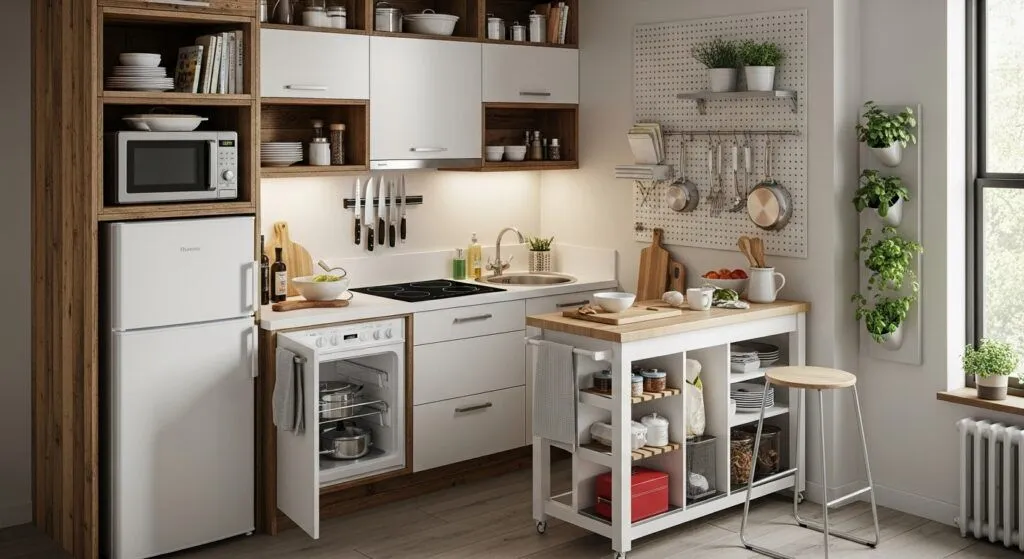
Managing your kitchen expenses is an important part of maintaining a healthy household budget. Rising food prices make it essential to use groceries wisely and avoid unnecessary spending. Kitchen savings are not just about buying cheaper products—they involve smarter shopping, better meal planning, proper food storage, and reducing waste. These habits help families save money while making the most of every ingredient.
Plan Your Meals Before Shopping
One of the easiest ways to save money in the kitchen is by planning your meals for the week before visiting the grocery store. A meal plan helps you know exactly what ingredients you need, reducing unnecessary purchases and preventing food from going to waste. It also makes cooking easier because you already know what you’ll prepare each day.
Make a Grocery Shopping List

Shopping without a list often leads to impulse buying and unnecessary spending. Before heading to the supermarket, check your pantry, refrigerator, and freezer to see what you already have. Create a detailed shopping list and stick to it as much as possible. This simple habit helps you avoid buying duplicate items and keeps your grocery budget under control.
Buy Seasonal Fruits and Vegetables
Seasonal produce is usually fresher, more nutritious, and less expensive than out-of-season items. Purchasing fruits and vegetables that are in season helps reduce grocery costs while allowing you to enjoy better-quality ingredients. Visiting local markets can also provide affordable options for fresh produce.
Store Food Properly
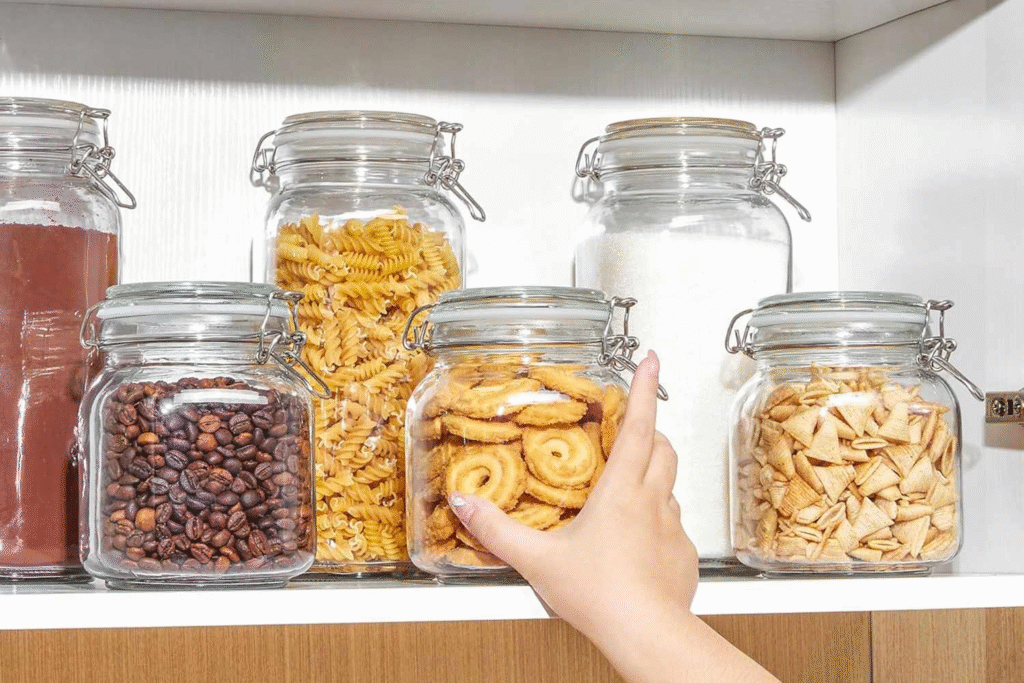
Proper food storage extends the freshness of ingredients and reduces food waste. Store vegetables, fruits, dairy products, and leftovers according to their storage requirements. Use airtight containers for dry foods and label leftovers with dates so they are used before they spoil. Good storage habits help maximize the value of every grocery purchase.
Cook More Meals at Home
Preparing meals at home is often much more affordable than ordering takeout or dining at restaurants. Home cooking allows you to control portion sizes, choose healthier ingredients, and use leftovers creatively. Even cooking just a few extra meals each week can lead to noticeable savings over time.
Use Leftovers Creatively
Leftovers don’t have to go to waste. Extra vegetables can be added to soups, rice dishes, or salads, while cooked chicken can be used in sandwiches or wraps. Planning meals that reuse ingredients helps reduce waste and lowers your overall grocery expenses without sacrificing variety.
Buy in Bulk When It Makes Sense
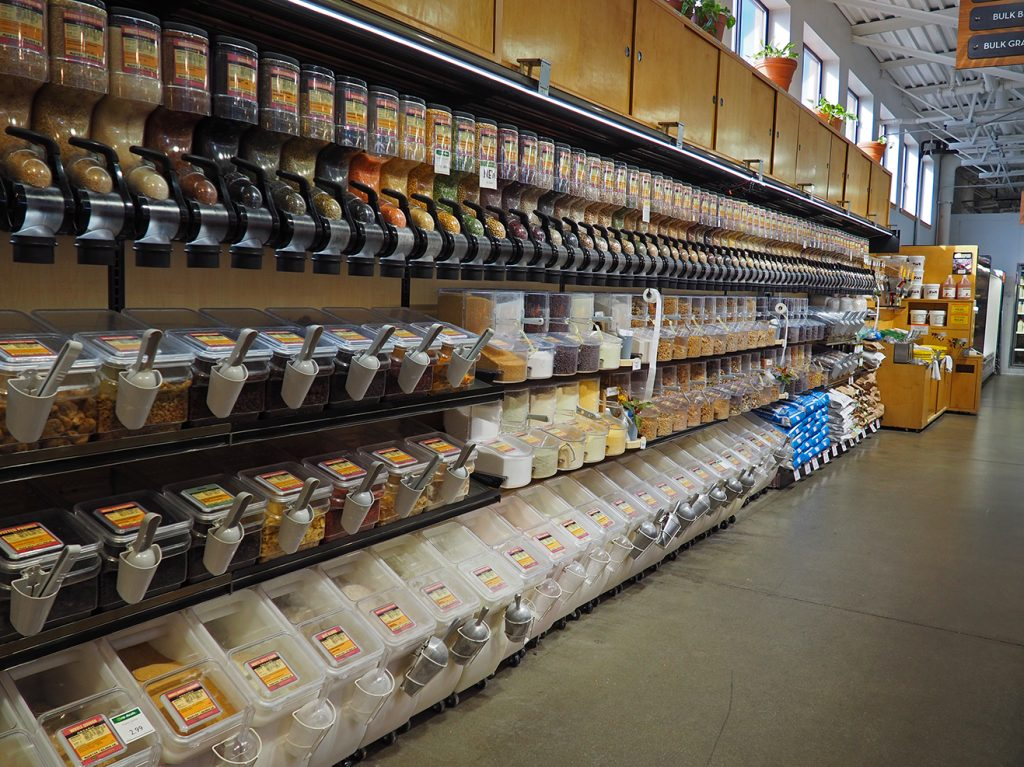
Purchasing frequently used items such as rice, lentils, flour, pasta, or spices in bulk can reduce the cost per serving. However, only buy in bulk if you have enough storage space and know the products will be used before they expire. Buying large quantities of perishable foods without a plan may actually increase waste.
Reduce Food Waste
Food waste is one of the biggest reasons households spend more than necessary on groceries. Pay attention to expiration dates, organize your refrigerator so older items are used first, and avoid preparing more food than your family can eat. Small efforts to reduce waste can result in meaningful savings throughout the year.
Compare Prices Before Buying
Different stores often sell the same products at different prices. Comparing prices, looking for discounts, and using loyalty programs or digital coupons can help you save money without sacrificing quality. Purchasing store-brand products instead of premium brands can also reduce grocery costs while maintaining similar quality.
Save Energy While Cooking
Kitchen savings are not limited to groceries. Using energy-efficient cooking methods can also lower household expenses. Cooking multiple dishes at once, using lids on pots, turning off appliances when not in use, and choosing energy-efficient kitchen appliances help reduce electricity and gas consumption.
Organize Your Kitchen
A well-organized kitchen helps you keep track of ingredients and prevents unnecessary purchases. Arrange pantry items by category, label containers, and regularly check what needs to be used soon. When you know what you already have, you’re less likely to buy items you don’t need.
Build Long-Term Money-Saving Habits

Kitchen savings come from consistency rather than perfection. Small habits such as planning meals, shopping with a list, cooking at home, and reducing waste become more effective over time. These routines not only lower your grocery bills but also encourage healthier eating and better household management.
Saving money in the kitchen doesn’t require major lifestyle changes. By planning meals, shopping wisely, storing food properly, reducing waste, and cooking more meals at home, you can significantly lower your monthly food expenses. These simple everyday habits make your kitchen more organized, your meals more efficient, and your budget easier to manage. Over time, even small improvements can lead to substantial savings while supporting a healthier and more sustainable lifestyle.
Frequently Asked Questions (FAQs)
1. What are kitchen savings?
Kitchen savings are practical ways to reduce food and cooking expenses through smarter shopping, meal planning, proper food storage, and reducing waste.
2. How can I lower my grocery bill?
Plan your meals, make a shopping list, buy seasonal produce, compare prices, use discounts, and avoid impulse purchases.
3. Does meal planning really save money?
Yes. Meal planning helps you buy only what you need, reduces food waste, and prevents expensive last-minute takeout orders.
4. How can I reduce food waste at home?
Store food correctly, use older ingredients first, freeze leftovers when appropriate, and cook portions that match your household’s needs.
5. Is buying in bulk always a good idea?
Buying in bulk is cost-effective for non-perishable items or foods you use regularly, provided you can store them properly and use them before they expire.