
Let’s face it: walking down the grocery aisle lately can feel like a stressful exercise in budgeting. Every time you pick up a block of cheese or a carton of eggs, the price seems to have crept up just a little bit higher. Food prices continue to rise, making it more important than ever for everyday families to find realistic, stress-free ways to save money in the heart of their homes—the kitchen. The beautiful thing about this journey is that cutting back on your food spending doesn’t mean you have to survive on boring, flavorless meals or sacrifice your family’s nutrition. With a few smart lifestyle habits and some simple, intentional planning strategies, you can significantly slash your grocery bill while still putting incredibly delicious, comforting, home-cooked meals on the dinner table.
The truth is that many households end up spending far more money on food than they actually need to. It usually isn’t because they are buying luxury ingredients; rather, it is the result of sneaky impulse purchases, a lack of a clear game plan before hitting the store, and the silent budget-killer known as preventable food waste. By making small, mindful shifts in your weekly shopping and cooking routines, you can stretch your hard-earned money much further, making every single trip to the supermarket more efficient and highly cost-effective.
Why Kitchen Savings Are a Win for Your Peace of Mind

For the vast majority of families, the monthly grocery run ranks as one of the largest and most volatile recurring expenses in their entire household budget. Unlike fixed costs like rent or a car payment, your food spending fluctuates based on your choices, which means it is also the easiest area to optimize. Even small, incremental savings on your weekly grocery hauls can compound over the course of a year, adding up to a massive chunk of money that can be redirected toward your other financial goals.
However, learning to master your kitchen finances is about much more than just hoarding dollars and cents. It is fundamentally about changing your relationship with the food you buy, drastically reducing environmental waste, and naturally fostering healthier eating habits for your loved ones. When you take the time to plan your meals carefully and use your ingredients efficiently, you aren’t just saving money—you are extracting maximum value and enjoyment from every single item you bring home. Learning how to manage these day-to-day food expenses wisely is a form of self-care that builds long-term financial stability while removing the chaotic guessing game of “what’s for dinner?”
The Transformative Power of a Weekly Meal Plan

If you want to stop bleeding money at the grocery store, you have to stop winging it. One of the most effective, sanity-saving tools at your disposal is creating a structured weekly meal plan. When you sit down and decide what your family will eat before you ever set foot inside a store, you eliminate the aimless wandering through the aisles that inevitably leads to a cart full of things you don’t actually need.
Start your planning process by doing a quick, honest audit of what you already have. Root through your pantry, peer into the back of your refrigerator, and dig through the depths of your freezer to identify items that need to be used up immediately. Build your upcoming week’s menu around those pre-existing ingredients to avoid accidental duplicate purchases. Having a solid meal plan for breakfast, lunch, dinner, and snacks also acts as a highly effective psychological shield. When you come home after a long, exhausting workday, knowing exactly what you are going to cook completely removes the mental fatigue that usually drives families to pull out their phones and order expensive restaurant takeout.
Why You Must Always Shop with a Definitive List
Walking into a modern grocery store without a handwritten or digital list is a recipe for financial disaster. Supermarkets are intentionally engineered by marketing experts to encourage impulse buying. From the warm, comforting scent of the bakery at the entrance to the highly attractive eye-level displays and enticing buy-one-get-one promotions, everything is designed to make you spend.
Creating a highly specific grocery list based directly on your meal plan keeps you grounded, focused, and immune to these subtle retail traps. It transforms your shopping trip from an aimless wandering session into a precise, targeted mission, allowing you to get in and out quickly without wasting your time or your cash. Budget-conscious shoppers around the world consistently find that holding a strict list in their hands is the single best way to curb overspending and keep unnecessary snacks out of the pantry.
| Budget Strategy | How It Saves Money | Hidden Benefit |
| Weekly Meal Planning | Prevents buying duplicate ingredients you already own. | Stops the frantic, last-minute reliance on expensive takeout apps. |
| Sticking to a Grocery List | Blocks impulse buys driven by clever store marketing. | Gets you out of the supermarket much faster, saving you valuable time. |
| Buying Seasonal Produce | Avoids the massive markup on foods shipped from overseas. | Delivers much better flavor, freshness, and higher nutritional value. |
| Repurposing Leftovers | Gives a second life to ingredients that would otherwise rot. | Provides instant, cost-free lunches for school or work the next day. |
| Choosing Store Brands | Slashes up to 30% off your bill compared to name brands. | Offers identical ingredients and nutritional value for less money. |
Eating with the Seasons: Nature’s Easy Discount

When it comes to buying fruits and vegetables, timing is everything. Choosing to buy seasonal produce is a brilliant way to enjoy high-quality food without paying a premium. When a specific fruit or vegetable is naturally in season locally, the supply is incredibly abundant, which drives the retail price down significantly. Furthermore, because these crops do not require expensive long-distance shipping or artificial preservation methods, those logistical savings are passed directly down to you.
Aside from being incredibly friendly on your wallet, seasonal fruits and vegetables are incomparably fresher, juicier, and more nutrient-dense than their out-of-season counterparts that have spent weeks sitting in cargo containers. Taking a weekend stroll through a local farmers’ market can often reveal massive deals on peak-season produce, while simultaneously allowing you to support independent growers in your community. Designing your weekly menu around whatever nature is naturally providing at that moment is a beautiful, intuitive way to keep your cooking exciting and your expenses remarkably low.
Declaring a Total War on Food Waste
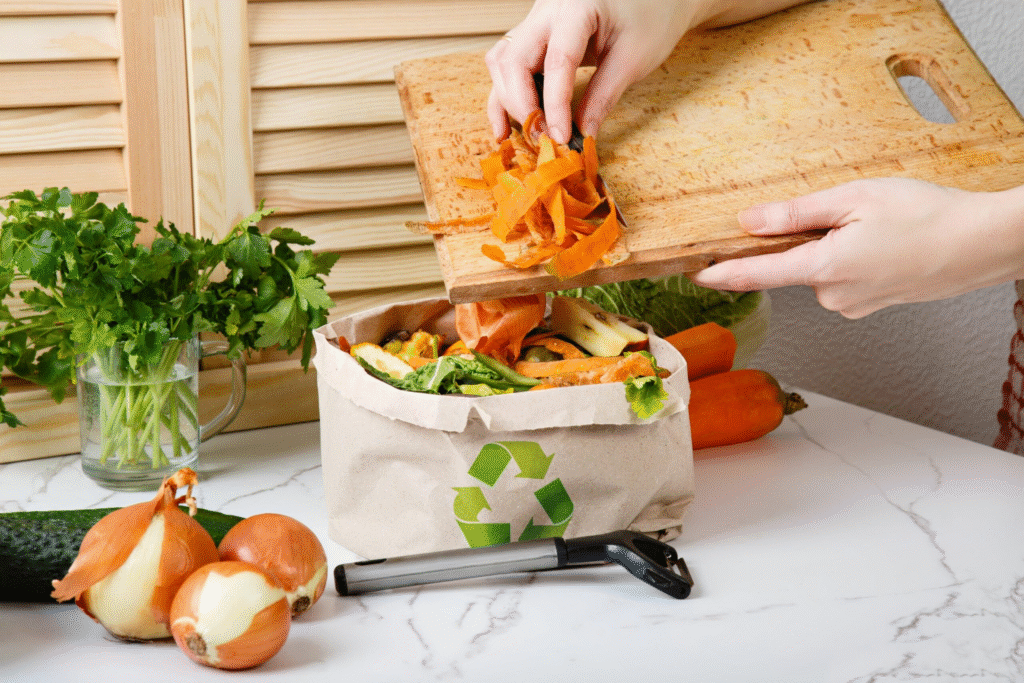
Think of every single piece of food you throw into the garbage can as throwing hard-earned cash directly into the trash. Sadly, preventable food waste is one of the primary reasons why average households find themselves constantly overspending on groceries. We have all been guilty of buying a bag of fresh spinach with the best intentions, only to let it turn into a sad, green liquid at the bottom of the crisper drawer.
To win the war against waste, you need to master the art of proper food storage and keep a vigilant eye on expiration dates. Practice the simple “First In, First Out” rule in your kitchen: place your older ingredients toward the front of the shelf so they get used up before you break open the brand-new packages. Get creative with how you rescue aging ingredients. That wilting celery, those soft carrots, and that leftover chicken carcass can easily be tossed into a pot to simmer into a rich, healing homemade bone broth. Soft, overripe bananas can be frozen for morning smoothies or baked into a comforting loaf of banana bread, while slightly bruised tomatoes can be simmered down into a beautiful, rustic pasta sauce.
Mastering the Logic of Bulk Buying

Purchasing your groceries in large quantities can lead to massive long-term savings, but only if you approach it with a clear strategy. Pantry staples that boast an incredibly long shelf life—such as dry white rice, whole oats, assorted beans, pasta, flour, and large bags of frozen vegetables—usually cost significantly less per individual serving when you buy them in bulk sizes.
However, it is important to remember that bulk buying is only a true bargain if your household actually consumes the entire item before it spoils. Buying a massive, industrial-sized jar of mayonnaise or a giant bag of fresh avocados just because it is on sale is a trap if half of it ends up going bad. Keep your bulk purchases strictly focused on the shelf-stable essentials and non-perishable items that your family uses on a regular, predictable basis. Investing in airtight, pest-proof storage containers is also critical to keeping your bulk dry goods fresh, crisp, and safe from ruin.
The Pure Joy and Practical Economy of Home Cooking
In an era dominated by hyper-convenient food delivery apps and fast-casual dining, the simple act of cooking meals at home has become a radical act of financial freedom. When you add up the base price of a restaurant meal, the local taxes, the delivery service fees, and the tip, a single dinner out can easily match the cost of an entire three-day supply of groceries for a small family.
Reclaiming your kitchen and committing to home cooking gives you absolute, total control over what goes into your body, allowing you to regulate portion sizes and keep unnecessary sodium, sugar, and unhealthy fats out of your diet. Preparing a meal from scratch does not require you to be a master chef; even mastering four or five simple, rustic recipes—like a hearty sheet-pan chicken dinner, a comforting pot of chili, or a vibrant vegetable stir-fry—can save you hundreds of dollars over the course of a single year. As a beautiful bonus, cooking together at home provides a wonderful opportunity for families to disconnect from screens, share their day, and build lasting memories over a shared project.
Turning Yesterday’s Dinner into Today’s Culinary Masterpiece

Leftovers have earned an unfair reputation for being boring, but that is only because many people simply pop them in the microwave without a second thought. With a tiny bit of imagination, you can transform yesterday’s forgotten dinner into a completely fresh, exciting culinary creation for today.
Instead of just reheating things exactly as they are, think of your leftover proteins and roasted vegetables as building blocks for an entirely new meal. For example, a portion of leftover roasted evening vegetables can easily be whisked into eggs to create a gourmet morning frittata, or stuffed into a wrap with some hummus for a quick lunch. That extra grilled chicken breast from Tuesday night can be shredded down, tossed with a few spices, and turned into sizzling street tacos or a crisp chicken salad on Wednesday. Leftover plain white rice is actually the absolute best foundation for making authentic, restaurant-quality homemade fried rice. Embracing the creative reuse of food ensures that your family stays interested in what they are eating while maximizing the value of every single dollar you spend.
Breaking the Brand-Name Spell to Save Big
Many grocery shoppers unconsciously grab the exact same brand-name products their parents bought, purely out of deep-seated habit. However, one of the easiest ways to instantly shave 20% to 30% off your total grocery receipt at checkout is to actively look down at the lower shelves and embrace generic or store-brand products.
Most major supermarket chains offer their own private-label lines that are manufactured to the exact same rigorous safety and quality standards as the big-name national brands. In many cases, if you take a moment to read and compare the ingredient labels, you will find that the store-brand flour, sugar, canned tomatoes, and spices are chemically identical to the heavily advertised, expensive versions sitting next to them. To find the absolute truest deal, train your eyes to look past the main price tag and look closely at the tiny unit price printed on the shelf sticker. This tells you exactly how much the item costs per ounce or per gram, allowing you to easily spot the genuine bargain regardless of the flashy packaging.
Using Your Freezer as a Financial Time Capsule
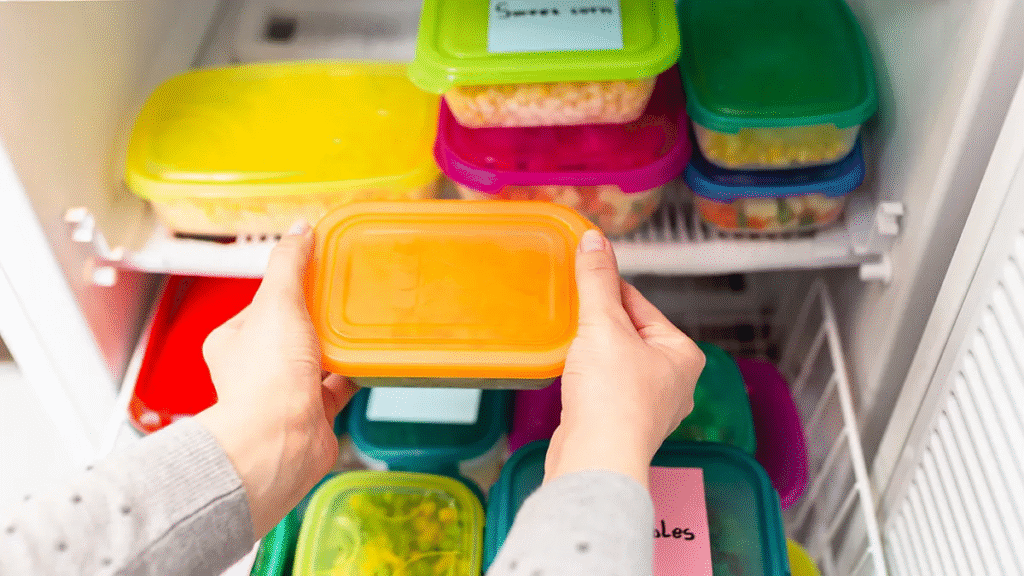
Your kitchen’s freezer is one of your absolute best weapons for fighting food inflation and preserving your hard-earned budget. Think of your freezer as a magical pause button for food freshness. A wide variety of ingredients—including fresh bread, raw meats, block cheeses, summer berries, and fully prepared casseroles—can be safely frozen for months, locking in their nutrients and flavor until you are ready to use them.
If you happen to stumble upon an incredible manager’s special discount on high-quality meat or notice that your local market is selling fresh berries for a fraction of their normal price, do not hesitate to buy extra. Take those items home, portion them out into family-sized servings, wrap them tightly in freezer-safe bags to prevent nasty freezer burn, and store them away for a rainy day. Dedicating a few hours on a Sunday afternoon to batch cooking and freezing large portions of soups, stews, or lasagnas can save you an immense amount of time and stress during frantic, busy weekdays.
Navigating Digital Coupons and Loyalty Programs Without the Traps
The days of physically cutting paper coupons out of the Sunday newspaper are largely behind us, but the world of digital coupons and store loyalty apps is thriving. Taking a quick five minutes before you walk out your front door to scroll through your favorite grocery store’s app can uncover significant hidden savings, exclusive digital discounts, and reward points that can be redeemed for free groceries or fuel discounts.
With that being said, you must approach store promotions with a healthy dose of consumer skepticism. A coupon is only a true saving if it applies to an item that was already on your shopping list. Buying a niche, processed snack food or a specific brand of soda that you don’t even like, simply because you have a fifty-cent coupon, is not saving money—it is spending money you wouldn’t have otherwise touched. Stay strictly focused on applying discounts to your essential, everyday staples, and ignore the marketing noise designed to coax you into unnecessary splurges.
Cultivating a Tiny, Cost-Free Windowill Garden
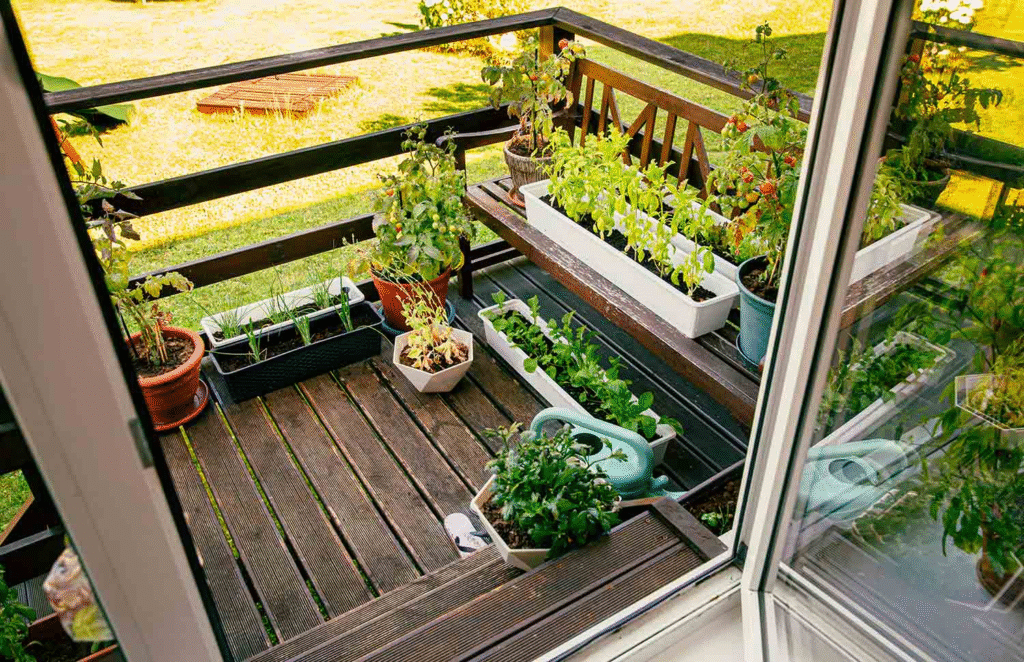
You absolutely do not need a massive backyard or an expensive green thumb to start growing a small portion of your own food at home. Think about how often a recipe calls for a small sprig of fresh basil, rosemary, or cilantro, forcing you to buy a $4 plastic clamshell container from the store, only for the remainder of the herbs to rot in your fridge.
Growing simple, fresh culinary herbs in small, inexpensive pots right on your kitchen windowsill or apartment balcony is a wonderful way to completely eliminate that specific expense. Herbs like mint, parsley, chives, and basil grow remarkably fast and require very little maintenance beyond regular watering and a bit of sunlight. If you want to take your small-space gardening a step further, certain easygoing vegetables like cherry tomatoes, hot peppers, and crisp salad greens thrive beautifully in simple containers. There is an incredible sense of pride and joy that comes from snipping fresh, homegrown ingredients straight from your windowsill to garnish your family’s dinner, turning a simple meal into something special for pennies.
Building Your Menu Around Humble, Nutritious Staples
Creating a budget-friendly kitchen does not mean your family has to feel deprived. In fact, some of the most nutritionally complete, globally celebrated comfort foods are built entirely around incredibly affordable, humble ingredients. Think about pantry powerhouses like dried beans, lentils, brown rice, whole potatoes, oats, and farm-fresh eggs.
These versatile ingredients cost a fraction of the price of pre-packaged convenience meals or premium cuts of meat, yet they are packed to the brim with healthy proteins, complex carbohydrates, and vital dietary fiber. Planning a few comforting meals each week around these budget heroes—such as a fragrant vegetable curry, a rich black bean chili, or a simple Mediterranean lentil soup—is an exceptional way to keep your grocery costs low while fueling your family with clean, real nutrition. These classic, rustic dishes are naturally inexpensive to scale up, making it incredibly easy to feed a large household or secure plenty of healthy leftovers for the days ahead.
The Compounding Rewards of Smart Kitchen Habits

When you first begin implementing these small changes in your kitchen, the daily savings might seem relatively modest. You might save five dollars here by choosing a store-brand product, or save ten dollars there by rescuing some leftover vegetables from the trash. However, the true magic of kitchen thrift lies in its ability to compound beautifully over time.
[Smart Meal Prep] + [Zero Food Waste] + [Store-Brand Choice]
                       │
                       ▼
         Saved: $40 - $60 per week
                       │
                       ▼
        Yearly Boost: $2,000+ in your pocket!
Those small, seemingly insignificant weekly choices slowly but surely gather momentum, quietly morphing into thousands of dollars of extra cash in your bank account by the end of the year. Beyond the undeniable financial relief, developing these intentional kitchen habits naturally guides your family toward a more mindful, healthy, and sustainable way of living. It teaches your children the invaluable life skills of resourcefulness, patience, and gratitude for the food on their plates. By consistently practicing these simple, creative strategies day after day, you will quickly discover that you don’t need a massive food budget to enjoy an incredibly rich, nourishing, and abundant life.