
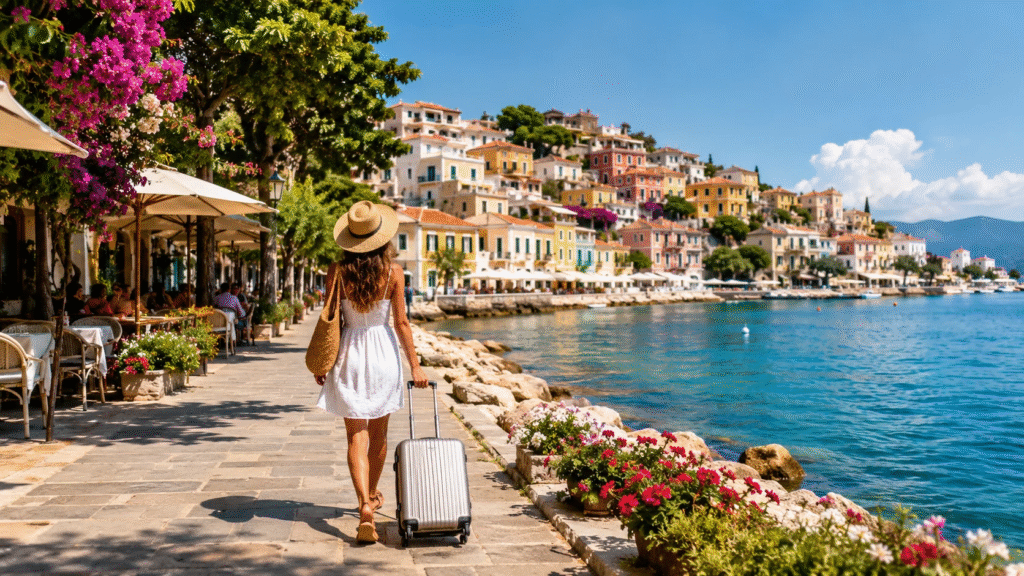
Let’s get one thing straight right away: travel in 2026 isn’t reserved for millionaires, digital nomads with limitless budgets, or retirees with massive pensions.
We’ve all seen those glossy magazine covers and viral social media posts featuring luxury overwater bungalows and private jets. They make it look like taking a meaningful vacation requires draining your life savings. But here’s the truth that seasoned budget travelers know: a great trip has almost nothing to do with how much money you blow.
The modern travel landscape has shifted dramatically. Between smarter booking platforms, flexible work arrangements, better public transport networks, and a growing community of budget-conscious explorers, seeing the world on a reasonable budget is more achievable than ever.
It isn’t about suffering through sketchy accommodations or eating cold canned soup in a dark room just to save five dollars. Smart travel is about value maximization—learning how to trim the fat off the boring expenses (like overpriced airport transfers or unnecessary airline booking fees) so you can spend your hard-earned money on what actually matters: incredible food, breathtaking places, and unforgettable memories.
Here is your comprehensive, no-nonsense guide to planning a realistic, deeply enjoyable, and budget-friendly adventure in 2026.
Why Travel Deals Matter (and How to Spot Real Value)

Before you start plugging dates into a search engine, you need a quick mental reset about what a “travel deal” actually is.
In the travel world, cheap does not automatically mean good value. A $30 flight sounds like an absolute steal until you realize the airline charges $50 for a carry-on bag, $40 for seat selection, and lands at an isolated secondary airport two hours outside the city at 1:00 AM—forcing you to pay $120 for a late-night taxi. Suddenly, that “cheap” flight just cost you $240 and a night of terrible sleep.
Real value means looking at the total cost of the experience.
[ Advertised Low Price ] ──► Add Hidden Fees (Baggage, Seat, Fees) ──► Add Remote Transport ──► True Total Cost
When evaluating any deal, ask yourself three simple questions:
- Does this option sacrifice so much comfort that I’ll be miserable on my trip?
- What are the hidden add-on costs that aren’t included in the headline price?
- Does this choice save me real money, or is it just a marketing trick?
Step 1: Outsmarting the Flight Market
Airlines use complex, AI-driven algorithms that adjust ticket prices by the second based on demand, search volume, school holidays, and local events. Trying to beat their system by refreshing a page at midnight on a Tuesday is mostly a myth. Instead, focus on strategies that actually work.
The Flexibility Advantage

If your travel dates are rigid—say, you can only fly out on Friday night at 6:00 PM and must return Sunday at 8:00 PM—you are going to pay top dollar. Airlines know business travelers and weekenders have no choice, so they price those seats accordingly.
If you can shift your perspective, the savings are massive:
- Fly Midweek: Tuesdays and Wednesdays are historically the quietest days in the sky. Shifting your departure by just 24 hours can easily shave 20% to 40% off a ticket.
- Embrace the “Shoulder Season”: Skip the peak summer months (July and August) or major holiday weeks. Instead, aim for the “shoulder season”—the sweet-spot months right before or after peak season (like April–May or September–October). The weather is usually still fantastic, prices drop significantly, and you won’t have to fight crowds of tourists just to take a picture.
- Set Fare Alerts Early: Don’t wait until two weeks before you leave. Use flight tracking tools to set price alerts for your dream destinations three to six months in advance. Let the system track the dips for you.
| Travel Period | Expected Crowds | Price Range | Weather Conditions | Overall Value Score |
| Peak Season (e.g., July–August) | Packed / High Line Times | Highest | Hot / Sunny | ★★☆☆☆ (Overpriced & Crowded) |
| Shoulder Season (e.g., May or Sept) | Moderate / Relaxed | Lower | Pleasant / Mild | ★★★★★ (The Sweet Spot) |
| Off-Peak Season (e.g., Nov–Feb) | Very Quiet | Lowest | Unpredictable / Cool | ★★★★☆ (Best for Low Budgets) |
Step 2: Rethinking Where You Stay
Accommodation is usually the biggest single line item in any travel budget. But sticking exclusively to standard four-star brand-name hotels is a fast way to burn through your cash.
       [ HIGH-COST / TRADITIONAL ]
                  │
                  ├──► Brand-Name City Center Hotels
                  └──► All-Inclusive Luxury Resorts
                  │
       [ SMART VALUE ALTERNATIVES ]
                  │
                  ├──► Family-Run Guesthouses & B&Bs
                  ├──► Serviced Apartments (Cook your own meals)
                  ├──► Boutique Hostels (Private rooms available)
                  └──► Neighborhood Rentals Outside Tourist Traps
Beyond the Standard Hotel Room

Depending on where you are going and who you are traveling with, alternative options can offer twice the space and charm for half the price:
- Family-Run Guesthouses: In places like Southeast Asia, Southern Europe, or South America, family-operated guesthouses are absolute goldmines. You get a clean, comfortable room, homemade local breakfasts, and invaluable insider tips from hosts who actually care about your experience.
- Boutique Hostels: If you still picture 20-bed dorm rooms with squeaky bunk beds when you hear the word “hostel,” it’s time for an update. Modern boutique hostels offer stylish, private en-suite rooms that rival chic hotel rooms, plus lively social spaces, free walking tours, and shared kitchens.
- Vacation Apartments: If you’re traveling as a family or group, renting an apartment is almost always cheaper than booking multiple hotel rooms. Plus, having access to a kitchen means you can make your own coffee and breakfast, cutting your daily food bill in half.
Location vs. Price: The Transport Trap
A cheap hotel room ten miles outside the city center looks great on paper until you realize there is no public transit nearby. If you end up spending $40 a day on ride-shares just to get back and forth, you’ve eliminated your savings and wasted hours sitting in traffic.
Always cross-reference a property’s location with the local subway, bus, or train maps before hitting “book.”
Step 3: Destination Selection (Let Your Money Work Harder)
One of the biggest mistakes budget travelers make is picking a specific city first and trying to force it into a small budget. If you want your money to stretch twice as far, let the destination choose you based on purchasing power.
Instead of heading to expensive mega-cities during peak pricing, look for alternative destinations that offer rich culture, incredible landscapes, and fantastic food at a fraction of the cost.
Smart Alternative Destination Choices
Instead of Expensive Spot:               Consider High-Value Alternative:
──────────────────────────               ────────────────────────────────
• Paris or London (Peak Summer)   ──►    • Budapest, Prague, or Kraków
• Amalfi Coast (Italy)            ──►    • Albanian Riviera or Montenegro Coast
• Tokyo (Central Districts)       ──►    • Fukuoka or Osaka (Japan)
• Overcrowded Caribbean Islands   ──►    • Central America (Guatemala or Belize)
By choosing destinations where the local cost of living is lower, your daily budget goes much further. You can eat out at great local spots, stay in beautiful accommodations, and take tours without constantly worrying about your credit card balance.
Step 4: Eating Extremely Well Without Spending a Fortune
Food is one of the greatest joys of traveling. But eating every single meal at sit-down tourist restaurants right next to famous landmarks is a guaranteed way to bleed money.
You don’t need to live on fast food to save money—in fact, eating like a local is usually both cheaper and far more delicious.
The Local Food Playbook

- Follow the Golden Rule of Tourist Zones: Never, ever eat at a restaurant that has a picture menu in five languages or a greeter standing on the sidewalk trying to pull you inside. Walk three blocks away from the main square or tourist attraction. The prices will instantly drop by 30%, and the food quality will double.
- Embrace Street Food and Local Markets: Food halls, neighborhood markets, and street stalls are where real culinary culture lives. From night markets in Taiwan to taco stands in Mexico or fresh food halls in Europe, eating where local workers eat gives you an authentic, mouth-watering meal for a few dollars.
- Make Lunch Your Main Meal: Many high-end restaurants offer lunch specials or fixed-price menus (menu del día) that feature the exact same high-quality food as their dinner menu, but at a 40% discount. Eat a big, wonderful lunch, and keep dinner casual.
- Use the Grocery Store Strategy: Pop into a local supermarket on your first day. Grab some fresh fruit, yogurt, bakery bread, local cheese, and snacks. Keeping these in your room or daypack means you won’t throw away money on overpriced airport snacks or emergency impulse buys when you get hungry between sights.
Step 5: Finding Free (and Low-Cost) Real Experiences
The best memories from a trip rarely involve standing in a two-hour line to pay $40 for a crowded observation deck. The moments that stick with you are usually the ones that cost nothing at all.
[ EXPENSIVE TOURIST TRAPS ]          [ RICH, LOW-COST EXPERIENCES ]
• Paid Commercial Viewpoints  ──►   • Sunset hikes & free public parks
• Overpriced Bus Tours        ──►   • Self-guided neighborhood walking tours
• Souvenir Shops              ──►   • Exploring vibrant local markets & squares
• Gimmicky Attractions        ──►   • Free museum days & cultural festivals
How to Build an Amazing Itinerary on a Shoestring
- Take Free Walking Tours: Almost every major city in the world now has local guides offering “free” walking tours (where you simply tip the guide what you feel the tour was worth at the end). It is hands-down the best way to get oriented, learn the history, and ask a local for non-touristy food recommendations on your first morning.
- Research Free Museum Days: Dozens of world-class museums offer free entry on specific days of the week or month (often the first Sunday of the month or late Thursday evenings). A little advance research can save you a bundle on admission tickets.
- Explore Nature and Neighborhoods: Wandering through historic quarters, visiting public botanical gardens, hiking to scenic viewpoints, relaxing on public beaches, and exploring bustling outdoor markets cost virtually nothing, yet offer the richest sense of place.
Step 6: Mastering Local Transportation
Getting around inside your destination can quietly consume a massive chunk of your daily cash if you aren’t careful.
Ditch the Taxis
Unless you are traveling late at night with heavy luggage, avoid street taxis and private transfers whenever possible. They are almost always the most expensive way to move around.
- Use the Public Transit System: Subways, trams, and local buses are cheap, efficient, and give you a real glimpse into daily local life. Buy a multi-day transit pass or a reloadable transit card if you plan on moving around a lot—it’s significantly cheaper than buying single one-way tickets.
- Walk Whenever You Can: Walking is not only free, but it’s also the absolute best way to discover a city. You’ll stumble across charming side streets, quiet cafes, and interesting local shops that you would completely miss from the back of a taxi or subway tunnel.
- Research Airport Links in Advance: Before you land, look up how the locals get from the airport to the city center. Almost every major airport has an express train or dedicated bus link that costs a tiny fraction of a private taxi.
Step 7: Avoiding the Sneaky “Deal Traps”
Nothing ruins the high of finding a good deal faster than getting slapped with unexpected fees right when you pay. Before you enter your credit card details for any travel purchase, run through this quick checklist:
┌────────────────────────────────────────────────────────────────────────┐
│                   THE HIDDEN FEE CHECKLIST                             │
├────────────────────────────────────────────────────────────────────────┤
│ ☐ Baggage Fees: Does the flight ticket include overhead luggage?      │
│ ☐ Transfer Costs: How much does it cost to get from the airport?       │
│ ☐ Resort / City Taxes: Are daily local occupancy taxes included?       │
│ ☐ Payment/Booking Fees: Are there extra surcharges for card payments?  │
│ ☐ Cancellation Rules: Is the booking non-refundable if plans change?  │
└────────────────────────────────────────────────────────────────────────┘
Reading the fine print for five minutes before clicking “confirm” protects your budget from nasty surprises.
Step 8: Building a Real-World Travel Budget
Before you book a single flight or hotel, sit down and create a realistic financial plan. Don’t just guess a random number—break your budget down into practical categories so you know exactly where your money is going.
A Balanced Budget Formula

A simple, stress-free way to divide your total trip budget is the 40-20-20-15-5 Rule:
[ Accommodation ] ──► 40% of Total Budget
[ Food & Drinks ] ──► 20% of Total Budget
[ Flights/Transit]──► 20% of Total Budget
[ Activities ]   ──► 15% of Total Budget
[ Emergency ]    ──►  5% of Total Budget
- 40% – Accommodation: A safe, clean, well-located place to rest.
- 20% – Food & Dining: Great local meals, street food, and coffee.
- 20% – Flights & Main Transit: Getting to and from your destination.
- 15% – Activities & Sights: Museum entries, tours, and experiences.
- 5% – Emergency Buffer: A little extra cash set aside so a forgotten bus ticket or lost umbrella doesn’t ruin your day.
Having an emergency buffer gives you psychological peace of mind. If something goes wrong—or if you simply want to splurge on a special dinner on your last night—you have the financial cushion to do so without guilt.
The Golden Habits of Smart Travelers
To pull all of this together, make these simple habits second nature whenever you plan a trip:
- Start Researching Early: You don’t need to book a year in advance, but observing flight and hotel prices over a few weeks gives you a clear sense of what a real deal looks like.
- Be Flexible Where It Counts: If you can’t be flexible with your destination, be flexible with your dates. If you can’t be flexible with your dates, be flexible with your accommodation style.
- Travel Light: Carrying only a overhead carry-on bag saves you money on airline baggage fees, keeps you agile on public transit, and eliminates the risk of lost luggage.
- Use Local Currency Wisely: Avoid currency exchange booths at airports—they offer terrible exchange rates. Instead, use a fee-free debit card to withdraw local cash directly from official bank ATMs when you arrive.
- Protect Your Investment: Always consider basic travel insurance. Spending a few extra dollars to protect yourself against unexpected medical emergencies or trip cancellations is far smarter than risking thousands of dollars if life throws you a curveball.